
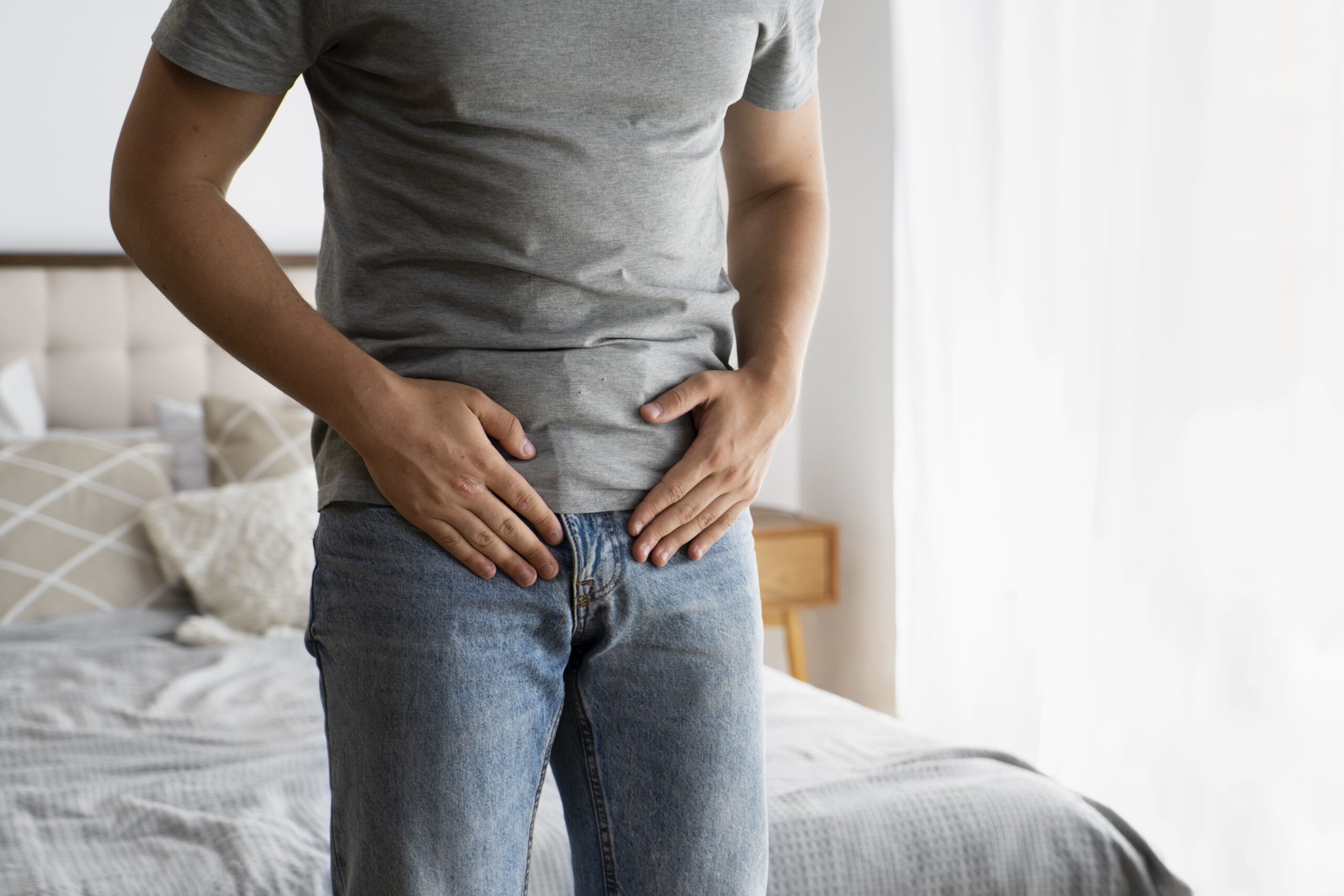
By Dr. Héctor Ajubita Fernández - Specialist in Urology and Andrology. GUA Urology and Andrology.
Table of Contents
- What is the pudendal nerve?
- Functions of the pudendal nerve in males
- Pudendalgia: symptoms and warning signs
- Diagnosis: Nantes criteria and available tests
- Treatments for pudendal nerve entrapment
- Impact on male quality of life
- How we help you at GUA Urology and Andrology
- Frequently asked questions
- Request an appointment
What is the pudendal nerve?
The pudendal nerve is one of the most important nerves in the male pelvic floor.
It originates from the sacral roots S2–S4 and runs through the pelvis, passing through critical areas such as Alcock's canal.
Along this path, it can suffer irritation, inflammation, or entrapment, causing pain and functional disorders known as pudendalgia.
Despite its importance, it remains a great unknown: many men suffer for years from pelvic pain or sexual problems without reaching an accurate diagnosis.
Functions of the pudendal nerve in males
The pudendal nerve serves several key functions:
- Sensitive: provides sensitivity to the penis, scrotum, perineum, anus and urethra.
- Motor: controls essential muscles such as the external urethral sphincter and the anal sphincter.
- Autonomic: involved in erectile function and ejaculation.
Therefore, when this nerve is compromised, the symptoms affect not only the male pelvic floor,
but also the sexual and urinary spheres.
Pudendalgia: symptoms and warning signs
Entrapment of the pudendal nerve causes a set of very characteristic symptoms. Recognizing them is key in order not to confuse them with other urological pathologies.
Pelvic pain
- Discomfort or severe pain in the perineal area.
- Pain increases with sitting and improves with standing or sitting on the edge of the chair.
- It may coexist with foreign body sensation in the urethra or rectum.
Urinary symptoms
- Urinary urgency and need to urinate frequently.
- Pain or stinging when urinating (dysuria).
- Sensation of incomplete emptying of the bladder.
Sexual alterations
- Erectile dysfunction, sometimes resistant to conventional drugs.
- Painful ejaculation or discomfort during sexual intercourse.
This condition is often confused with chronic prostatitis,
which delays correct diagnosis and treatment.
Diagnosis: Nantes criteria and available tests
Diagnosis is based on the Nantes criteria, a set of clinical points that help identify pudendal neuralgia:
- Pain that worsens when sitting.
- Absence of pain during the night.
- Pain that does not radiate outside the pudendal nerve territory.
- Significant improvement after an anesthetic pudendal nerve block.
Imaging tests can provide information, but the most reliable confirmation is a positive response to a diagnostic block.
Treatments for pudendal nerve entrapment
Treatment is usually staggered, with less invasive options being sought first:
- Conservative measures: pelvic floor physiotherapy, postural changes, decompression exercises.
- Pharmacological treatment: neuromodulatory drugs for neuropathic pain.
- Anesthetic blocks: applied with ultrasound or radiological control, they provide relief and confirm the diagnosis.
- Neuromodulation: electrical stimulation of sacral roots or the pudendal nerve itself.
- Decompression surgery: indicated only in selected and refractory cases.
Impact on male quality of life
Chronic pelvic pain and pudendal nerve dysfunction affect men's personal, sexual, work, and emotional lives.
Early diagnosis is essential to avoid years of suffering and improve quality of life.
The good news: effective treatments are available.
How we help you at GUA Urology and Andrology
At GUA Urology and Andrology, in Las Palmas de Gran Canaria, we have a team specializing in male pelvic floor dysfunction.
We take a comprehensive approach: we combine accurate clinical diagnosis, advanced testing, and pelvic physiotherapy, tailoring each treatment to the individual case.
Meet us: our medical team.
Frequently asked questions
- Can pudendal nerve entrapment be cured? Many patients achieve significant improvement with physical therapy, blocks or neuromodulation.
- Is it the same as chronic prostatitis? No. Although they share symptoms, the cause and treatment are different.
- How long does it take to improve? It depends on each case and the time of evolution. Early detection facilitates recovery.
Request an appointment
If you suffer from pelvic pain or sexual dysfunction that could be related to the pudendal nerve, don't wait any longer.
Our team can help you regain your quality of life:
"Your pelvic and sexual health deserves specialized care. We're here to help you."