Category Archives: Andrology

transperineal fusion biopsy

Transperineal fusion prostate biopsy: more accurate diagnosis with fewer risks

By Dr. Nicolás Nervo – Specialist in Urology and Andrology.

Transperineal fusion prostate biopsy is currently one of the most accurate and safest techniques for diagnosing prostate cancer. At GUA Urology and Andrology in Las Palmas de Gran Canaria, we perform this advanced biopsy to obtain a reliable diagnosis, minimize risks, and offer a personalized medical approach.

Table of Contents

  1. Why is it important to talk about transperineal fusion prostate biopsy today?
  2. What is a transperineal fusion prostate biopsy?
  3. How is it done step by step?
  4. Patient preparation and recovery
  5. Advantages of transperineal fusion prostate biopsy compared to conventional biopsy
  6. In which cases is transperineal fusion prostate biopsy indicated?
  7. Risks and common side effects
  8. Transperineal fusion biopsy at GUA Urology and Andrology
  9. Make an appointment today

Why is it important to talk about transperineal fusion prostate biopsy today?

Prostate cancer is the most common tumor in men. It is estimated to affect approximately 1 in 9 men throughout their lives and, in many cases, does not produce symptoms in the early stages. That is why it is so important to have accurate and early diagnostic methods.

Transperineal fusion prostate biopsy has become one of the most advanced techniques available in Europe today for safely and reliably confirming or ruling out prostate cancer. It allows for better localization of suspicious lesions, targeted sampling, and reduced risks associated with traditional biopsies.

If you would like more general information about prostate cancer, you can consult our clinic's specific page on
prostate cancer or visit patient resources such as the Spanish Association Against Cancer and the European Association of Urology.

What is a transperineal fusion prostate biopsy?

Transperineal fusion prostate biopsy is a diagnostic technique that combines two types of imaging:

  • A multiparametric magnetic resonance imaging (MRI) scan of the prostate, performed previously.
  • A real-time transperineal ultrasound.

Using an image fusion system, both tests are integrated to create a three-dimensional (3D) reconstruction of the prostate. Using this 3D image, the urologist can identify suspicious areas with great precision and direct the needle exactly to the points where a clinically significant tumor is most likely to be found.

In addition, micro-ultrasound technology is used, which provides superior resolution compared to conventional ultrasound. This facilitates the detection of small or clinically relevant lesions, increasing the overall reliability of the biopsy.

If you would like to see the technical details of this test at our clinic, please visit
transperineal fusion prostate biopsy.

How is it done step by step?

The biopsy is performed transperineally, accessing the prostate through the skin of the perineum (the area between the scrotum and the anus), without passing through the rectum. This avoids contact with the intestinal flora and reduces the risk of infection.

The usual procedure includes:

  • Sedation and positioning of the patient: the patient is sedated, comfortable, and pain-free.
  • Live ultrasound: An ultrasound is performed while the patient is sedated.
  • Merging ultrasound with previous magnetic resonance imaging: the system integrates both images.
  • 3D reconstruction of the organ: a three-dimensional model of the prostate is generated.
  • Obtaining samples: biopsy cylinders are taken with millimeter precision from the suspicious areas.

The total duration of a transperineal fusion prostate biopsy is usually 20 to 40 minutes, depending on the complexity of each case and the number of samples required, in accordance with standard times in advanced clinical practice.

Patient preparation and recovery

Preparation for a transperineal fusion prostate biopsy is usually minimal. In general, the following is recommended:

  • Fasting for a few hours before the procedure, due to sedation.
  • Adjustment of anticoagulant medication when appropriate, always under medical supervision.
  • Occasionally, antibiotic prophylaxis according to individual clinical criteria.

After the test, the patient can resume normal activities within a short period of time, avoiding strenuous activity for a few days. It is normal to experience mild discomfort in the perineal area or small amounts of blood in the urine or semen, which are usually temporary.

Advantages of transperineal fusion prostate biopsy compared to conventional biopsy

Transperineal fusion prostate biopsy offers significant advantages over traditional transrectal biopsy:

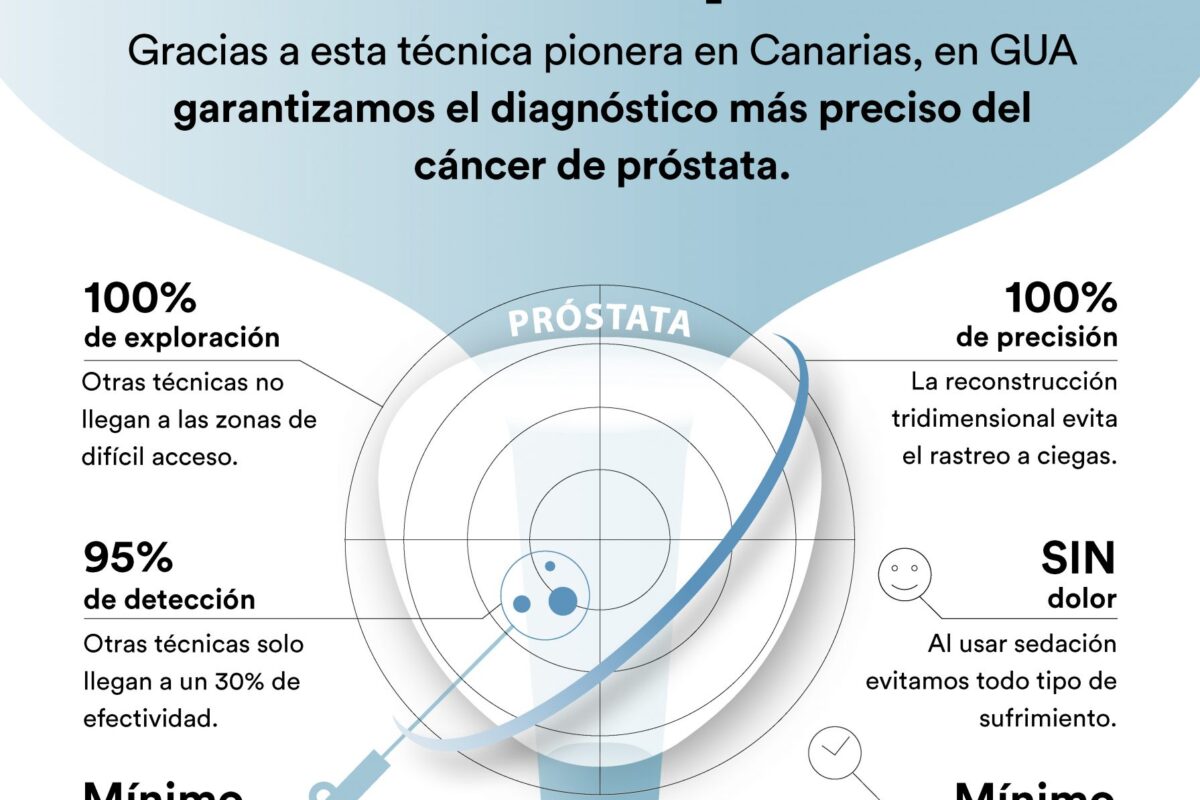
  • Greater diagnostic accuracy: detection capability is close to 95%, compared to around 30% for other techniques.
  • Complete prostate examination: allows areas that are difficult to access with other techniques, such as the anterior zone, to be examined.
  • Lower risk of infection: since it does not pass through the rectum, the possibility of prostatitis, urinary tract infections, or sepsis is reduced.
  • Painless procedure: performed under sedation, providing a comfortable experience.
  • Greater safety and rapid recovery: fewer complications and a quick return to daily life.
  • 3D image fusion: the urologist directs the samples to the areas that are truly suspicious, avoiding "blind" biopsies.
  • Fewer punctures: by focusing on areas of interest, fewer cylinders may be required to reach a diagnosis.

In summary, this technique significantly increases the probability of detecting significant tumors while reducing risks and discomfort for the patient.

In which cases is transperineal fusion prostate biopsy indicated?

Transperineal fusion prostate biopsy is a diagnostic tool, not a general screening test for healthy populations. It is particularly indicated when prostate cancer is suspected, for example in:

  • Elevated or rising PSA (prostate-specific antigen).
  • Abnormal findings on digital rectal examination, such as irregular prostate, presence of nodules, or hardening.
  • Suspicious lesions on multiparametric prostate magnetic resonance imaging.
  • Need to expand or confirm previous studies when other tests have been inconclusive.

It is not used as a preventive technique in men without symptoms or risk factors, but it does play a key role in patients who have already shown warning signs or abnormalities in initial tests.

Risks and common side effects

Like any medical procedure, transperineal fusion prostate biopsy is not entirely risk-free. However, the transperineal approach has been shown to have a lower complication rate than transrectal biopsy.

By not passing through the rectum, the likelihood of the following is significantly reduced:

  • Prostatitis.
  • Urinary tract infections.
  • Sepsis (severe generalized infection).

The most common side effects following transperineal fusion prostate biopsy include:

  • Discomfort or mild pain in the perineal area.
  • Presence of blood in urine or semen for a few days.

These symptoms are usually mild and self-limiting. After the procedure, the patient receives clear instructions on when to contact the medical team if they have any concerns.

Transperineal fusion biopsy at GUA Urology and Andrology

Transperineal fusion prostate biopsy requires advanced equipment and a specialized medical team. Not all centers have image fusion systems, micro-ultrasound technology, and specific experience in this type of procedure.

At GUA Urology and Andrology, in Las Palmas de Gran Canaria, we combine:

  • Image fusion systems (magnetic resonance imaging + ultrasound).
  • High-resolution micro-ultrasound.
  • A team of urologists with extensive experience in precision oncological urology.

Our goal is to offer you:

  • The most accurate diagnosis possible when prostate cancer is suspected.
  • A safe, painless procedure with quick recovery.
  • Prompt communication of results, which are usually available within 48 hours.

We integrate the biopsy information with the rest of your tests and, if necessary, we evaluate advanced treatment options. You can learn more about our team at
GUA team and continue to stay informed at
urological health blog.

Make an appointment today

If you have been informed of an elevated PSA, have been recommended a transperineal fusion prostate biopsy, or are seeking a second opinion, at GUA Urology and Andrology we can help you.

Take the next step toward an accurate and reliable diagnosis:

"An accurate diagnosis is the first step toward successful treatment. At GUA Urology and Andrology, we accompany you every step of the way."



Frequently asked questions about transperineal fusion prostate biopsy

1. Is transperineal fusion prostate biopsy used only to diagnose cancer?

Its main use is to confirm or rule out prostate cancer, as it is currently the most accurate technique available. Although it can be used to study other lesions detected in imaging tests, its most common indication is related to suspected prostate cancer.

What exactly does this technique involve?

It combines images from a previous multiparametric MRI scan with real-time transperineal ultrasound. These are merged using advanced software to create a 3D model of the prostate, allowing the needle to be guided with high precision to the suspicious areas.

How is the biopsy performed? Is it painful?

It is performed transperineally, with the patient under sedation, so it is painless.
The procedure includes:

  • Sedation and positioning of the patient

  • Live ultrasound

  • Ultrasound + MRI fusion

  • 3D reconstruction

  • Guided sampling

The process takes between 20 and 40 minutes, depending on each case.

Does it require special preparation?

Preparation is minimal. The following is usually recommended:

  • Fasting prior to sedation

  • Adjustment of anticoagulant medication if necessary

  • Occasionally, antibiotic prophylaxis

Most patients resume normal activities within 24 hours.

What are the advantages over a traditional prostate biopsy?

It offers significantly greater benefits:

  • Greater accuracy (up to 95% detection rate)

  • Possibility of biopsying difficult areas, such as the anterior area

  • Lower risk of infection

  • Painless procedure with sedation

  • Faster recovery

  • Fewer cylinders needed thanks to 3D precision

Does it detect more cancer than traditional biopsy?

Yes. Conventional biopsy detects approximately 30% of suspected cancers, while transperineal fusion biopsy detects around 95%, tripling the diagnostic capacity.

Duolit Storz shock waves

Shockwaves for erectile dysfunction: how they improve erection and who benefits most

By Dr. Alejandro Silva Garretón - Specialist in Urology, Andrology and Sexual Medicine. GUA Urology and Andrology, Gran Canaria.

Table of Contents

  1. Shockwave therapy for erectile dysfunction: context and objectives
  2. Why do difficulties in maintaining an erection occur?
  3. What are low intensity shock waves?
  4. What benefits can the patient notice?
  5. Who are good candidates for this treatment?
  6. In which cases is it not the best option?
  7. When will the results be noticeable?
  8. Why to undergo treatment at GUA Urology and Andrology?
  9. Conclusion: when to value shock waves
  10. Make an appointment today

Shockwave therapy for erectile dysfunction: context and objectives

Erectile dysfunction is a very common problem in men from 45-50 years of age. It can appear punctually or be maintained over time, affecting security, sexual life and the relationship with a partner. Although oral treatments such as PDE5 inhibitors (sildenafil, tadalafil, etc.) are usually effective, they do not always work the same in all patients or may lose effect over the years.

In recent years, low-intensity shock waves have become a therapeutic alternative to improve erectile function by acting directly on one of the most common causes of this problem: decreased blood flow to the penis. For many men, this technique offers a non-invasive, painless way to regain firmer and more natural erections.

If you want a broader view on causes and treatments of erectile dysfunction, you can consult our article "Erectile dysfunction in men: when to worry and how to treat it" and our specific page on erectile dysfunction.

Why do difficulties in maintaining an erection occur?

Erection depends on the correct blood filling of the corpora cavernosa of the penis. With age, certain habits (smoking, sedentary lifestyle) or diseases such as hypertension, diabetes or high cholesterol can cause the blood vessels to narrow or harden. This makes it difficult for the amount of blood necessary for a firm erection to reach the penis.

Common signs and symptoms

  • Weaker erections.
  • Difficulty in maintaining them.
  • Need for greater stimulation.
  • Worse response to oral medication.

This type of erectile dysfunction is known as vasculogenic and is one of the patient profiles where shock waves may offer a benefit. In many cases, taking care of lifestyle and checking other health factors (blood pressure, glucose, cholesterol, weight) is part of the overall treatment plan for erectile dysfunction.

If you want to delve deeper into how male sexual health changes throughout life and what habits help protect erections, also check out our article on male sexual health.

What are low intensity shock waves?

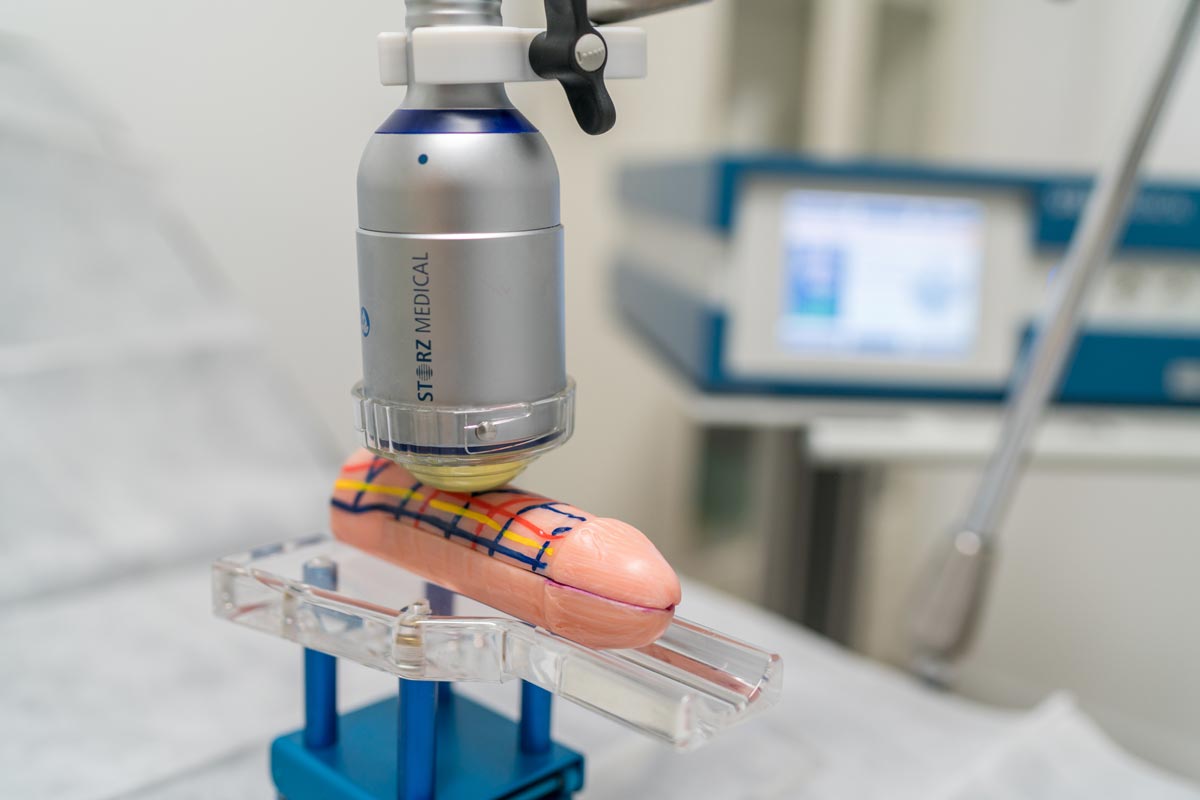
Shock waves are micro pulses of mechanical energy applied to the penis and perineum by means of a specialized medical device. Their purpose is to stimulate vascular regeneration and improve circulation in the area.

Several clinical studies have observed that these waves can:

  • Promote the formation of new blood vessels.
  • Improve oxygenation of the erectile tissue.
  • Increase blood flow during erection.
  • Enhance the response to oral medication when it is insufficient.

The clinical experience of Dr. Alejandro Silva Garretón, who has published results on this technique, agrees with these findings, especially in patients with mild or moderate erectile dysfunction.

During treatment

The sessions are performed on an outpatient basis and the procedure is simple:

  • No anesthesia is used.
  • No pain.
  • The session lasts approximately 20-30 minutes.
  • The patient can resume normal activity immediately.

What benefits can the patient notice?

The most common findings in correctly selected patients are:

  • Firmer and longer lasting erections.
  • Easier to initiate erection.
  • Better response to oral drugs, being able to reduce the dose in some cases.
  • In men on medication that was no longer working well, it can restore response.
  • In some cases, greater sexual spontaneity, as they are less dependent on pills.


It is important to note that this is not a "miracle" treatment, nor does it always replace medication, but it can improve the vascular basis of the problem.

Therefore, shock waves are usually integrated into an overall treatment plan, which may include oral medication, lifestyle changes, psychological approach when necessary and even other advanced therapies if the situation requires it.

Who are good candidates for this treatment?

Scientific evidence and clinical experience indicate that the best results are obtained in:

  • Men with mild to moderate erectile dysfunction, especially of vascular origin.
  • Patients who notice that the medication helps, but not enough.
  • Men seeking a non-invasive option with no significant adverse effects.
  • Patients with reasonably controlled cardiovascular risk factors (diabetes, hypertension, cholesterol).

It can also be considered in men who wish to reduce the use of pills, always with medical supervision. In some cases, it combines very well with sex therapy and psychological accompaniment, especially when there is performance anxiety or emotional impact associated with erectile dysfunction; for this we have our team of psychology and therapy for men.

In which cases is it not the best option?

Shock waves are not usually effective when:

  • Erectile dysfunction is severe and there is significant vascular damage.
  • There are relevant nerve injuries (e.g., after extensive pelvic surgery or complex pudendal nerve pictures).
  • The patient presents with untreated hypogonadism.
  • Difficulty with erection has a mainly psychological origin.

In these cases, it may be a priority to evaluate other options: from the correction of hormonal alterations (as in the context of andropause or hormonal changes in men) to local treatments or even penile implants, depending on each case.

When will the results be noticeable?

Many patients begin to notice changes between the third and fourth session, although the response may vary. In some cases the improvement is progressive and consolidates weeks after the end of the cycle.

Common changes after shock waves

  • Easier to achieve erection.
  • Sensation of increased rigidity during penetration.
  • Best response to erection tablets.
  • More security and confidence in the sexual relationship.

The effects are usually maintained for several months and, in some cases, a booster cycle can be considered depending on the patient's evolution and objectives.

Why to undergo treatment at GUA Urology and Andrology?

At GUA Urology and Andrology we have extensive experience in the comprehensive management of erectile dysfunction and in the use of low intensity shock waves as part of the therapeutic approach.

  • Complete evaluation of the cause of erectile dysfunction.
  • Experience in shock waves and advanced treatments.
  • Multidisciplinary approach: urology, andrology, psychology and physiotherapy.
  • Maximum privacy and personalized accompaniment.

If you want to read more about common myths surrounding men's sexual health, we recommend our article on myths about men's sexual health.

Conclusion: when to value shock waves

Low intensity shock waves represent a safe and effective therapeutic option for many men with erectile dysfunction of vascular origin. They are not a universal substitute, but an alternative that can improve erectile function, enhance medication or even reduce the need for medication.

The decision to apply them should be made after an individualized assessment, taking into account the clinical history, the probable causes of the problem, the risk factors and the patient's expectations.

If you show the first symptoms of erectile dysfunction, this is usually the ideal time to consult him: the sooner action is taken, the better the results are likely to be.

Make an appointment today

If you are considering shock waves or want to evaluate other options, GUA Urology and Andrology offers you a comprehensive and confidential assessment in Gran Canaria.

"Taking care of your sexual health is taking care of you. We are here to help you."

Frequently asked questions about vasectomy

Do shock waves definitively cure erectile dysfunction?

Shock waves are not usually considered a "definitive cure", but they can improve the vascular base of the penis and promote firmer erections in men with mild or moderate erectile dysfunction. Their effect can be maintained for several months, and in some cases booster cycles are performed.

Do shock waves hurt or produce side effects?

No. The treatment is painless and is performed without anesthesia. Most patients have no side effects and can resume their daily activities immediately after each session.

How many sessions are needed to notice results?

Most men perceive improvement between the third and fourth session, although the response may vary. A typical cycle includes 6 to 12 sessions, depending on the medical evaluation.

Do shock waves replace erection tablets?

They can improve the body's response, but they do not always replace medication. In many patients, they allow reducing doses or recovering drug efficacy. In other cases, they remain complementary.

Who are the best candidates for this treatment?

Mainly men with erectile dysfunction of mild or moderate vascular origin, especially when medication is partially working. It is also useful for those seeking a non-invasive option without relevant adverse effects.

In which cases do shock waves not work?

They are not usually effective in severe erectile dysfunction, important nerve lesions, untreated hypogonadism or when the origin is mainly psychological. In these cases, other therapeutic alternatives are considered.

illustration two doctors talking about fertility

Vasectomy: common doubts, myths, and when to consider it

By Dr. Nicolás Nervo - Specialist in Urology and Andrology. GUA Urology and Andrology.

Table of Contents

  1. What does vasectomy consist of?
  2. Recovery and postoperative care
  3. Contraceptive efficacy and spermogram
  4. Impact on sex life
  5. Common myths and reality
  6. When to consider vasectomy?
  7. Additional benefits
  8. How we accompany you in GUA
  9. Frequently Asked Questions (FAQ)
  10. Make an appointment today

What does vasectomy consist of?

Vasectomy is a minor surgical procedure that interrupts the passage of sperm by sectioning and blocking the vas deferens. In this way, the semen no longer contains sperm.

It is a quick, outpatient procedure under local anesthesia, which usually lasts between 15 and 30 minutes. In most cases, the patient returns home the same day.

Main techniques

  • Conventional: small scrotal incision to locate and section the vas deferens.
  • No-scalpel: puncture and skin dilatation, with less bleeding and faster recovery.

To find out how we perform it at GUA, visit ourvasectomy service at
. vasectomy.

Recovery and postoperative care

After the vasectomy, we recommend relative rest for 24–48 hours, intermittent local cooling, and tight-fitting underwear. Avoid intense exercise and sexual intercourse for a few days.
Pain is usually mild and responds to common anti-inflammatory drugs. Complications are rare (bruising, superficial infection, or chronic scrotal pain ≤ 1%).
Patients can usually return to work within 48–72 hours, except in cases of physically demanding jobs.

Contraceptive efficacy and spermogram

Vasectomy is one of the most effective contraceptive methods: approximately 99.8% effective after confirmation of the result by spermiogram.

Important: it is not immediate. Residual sperm may remain for several weeks, so semen testing at 8–12 weeks or after 20–30 ejaculations is essential.
Only when azoospermia is confirmed can you stop using other contraceptive methods.

Remember: until the spermiogram is confirmed, use a complementary method of contraception.

Impact on sex life

Vasectomy does not affect sexual desire or erectile function.
The volume and appearance of semen remain virtually unchanged, as 95% of the fluid comes from the prostate and seminal vesicles.
Orgasms remain unchanged. For many men, the peace of mind that comes with avoiding unwanted pregnancies improves the quality of their sex lives.

Common myths and reality

  • "Vasectomy causes impotence"False. It does not alter erection or desire.
  • "Semen disappears"False. The volume hardly varies.
  • "Increases the risk of cancer"False. There is no scientific evidence of increased risk.
  • "It is irreversible"Partially true. It can be reversed by microsurgery, although its success is not guaranteed. Should be considered a permanent method. More about reversal.

When to consider vasectomy?

  • If the couple has already completed their reproductive plan.
  • When the man decides not to have children in the future.
  • If a pregnancy poses a medical risk to the woman.
  • When a permanent and safe method is sought, with less burden on the female partner than other alternatives (such as tubal ligation).

If you have questions about fertility or sperm preservation, please visit our fertility problems section.

Additional benefits

  • Outpatient procedure with rapid recovery.
  • Superior efficacy to most reversible methods.
  • Less physical and emotional impact for the couple.
  • Peace of mind by eliminating the worry of unplanned pregnancies.

How we accompany you in GUA

At GUA Urology and Andrology, we perform vasectomies using a minimally invasive approach, providing personalized care and complete confidentiality.
We explain each step, answer your questions, and plan follow-up care until the sperm analysis results are confirmed.
Meet our team and learn about Dr. Nicolás Nervo's career.

Make an appointment today

Take the next step with the GUA Urology and Andrology team:

"Informed decision is power. We accompany you every step of the way."


Frequently asked questions about vasectomy

Does vasectomy affect erection or sexual desire?

No. Vasectomy does not alter erectile function or sexual desire. The volume of semen is virtually unchanged, since most of the fluid comes from the prostate and seminal vesicles. Pleasure and orgasm remain the same.

When can I stop using contraceptives after vasectomy?

Vasectomy is not immediately effective. You must maintain another method of contraception until the spermiogram confirms that there are no sperm remaining in the semen (azoospermia). This is usually achieved 8 to 12 weeks after the procedure or after 20-30 ejaculations.

When can I return to sports or physical activity?

Generally, you will be able to resume light exercise after 5-7 days, provided there is no discomfort. If your activity involves intense physical effort, it is advisable to wait a little longer to avoid inflammation or bruising.

When can I resume sexual relations?

Normally, sexual intercourse can be resumed 5 to 7 days after surgery, when the area is fully recovered. If discomfort or swelling appears, wait a few more days and follow the urologist's recommendations.

Is the surgery reversible if I change my mind?

There are vasectomy reversal techniques using microsurgery, but their success is not guaranteed and decreases with the passage of time. Therefore, it is recommended to consider vasectomy as a permanent method. If there is a possibility of wanting children in the future, sperm cryopreservation can be considered before the intervention.

image worried man

Erectile dysfunction: when to worry about it and how to treat it

Erectile dysfunction in men: when to worry and how to treat it

By Dr. Pablo Juárez del Dago - Urologist. GUA Urology and Andrology.

Table of Contents

  1. What is erectile dysfunction in men?
  2. When to worry
  3. Main causes
  4. How it is diagnosed
  5. Effective treatments
  6. How we address erectile dysfunction at GUA
  7. Frequently asked questions
  8. Request an appointment

What is erectile dysfunction in men?

Erectile dysfunction in men is the ongoing difficulty in achieving or maintaining an erection firm enough for sexual activity.
It does not define those who suffer from it: it is a health indicator that requires medical attention and can be treated with excellent results.

When to worry

  • Persistence of the problem for more than 3-6 months.
  • Progressive decrease in rigidity or duration of erection.
  • Anxiety or impact on the partner.
  • Risk factors: diabetes, hypertension, high cholesterol, smoking, obesity.
  • Pain, curvature or associated hormonal changes.

Attention: Erectile dysfunction in men can be a vascular warning. Early detection also improves cardiovascular health.

Main causes

ED is usually multifactorial in origin:

  • Vascular: arteriosclerosis, hypertension, endothelial damage.
  • Neurological: neuropathies, pelvic injuries or prostate surgery.
  • Hormonal: low testosterone or thyroid disorders.
  • Pharmacological and toxic: some antihypertensives, alcohol and tobacco.
  • Psychological: performance anxiety, stress, relationship problems.

More information about erectile dysfunction - GUA Urology and Andrology.

How it is diagnosed

  • Clinical history and physical examination.
  • Hormone analysis and metabolic profile.
  • Penile Doppler ultrasound to assess arterial and venous flow.
  • Psychological and sexual evaluation.

Effective treatments

Habits and lifestyle

  • Regular exercise, balanced diet and adequate sleep.
  • Smoking cessation and alcohol reduction.
  • Stress management and improvement of sexual communication.

Sex therapy and psychological support

The emotional component is key. Sex therapy helps reduce performance anxiety and improves response to medical treatments.

3. Oral medication (iPDE5)

  • Sildenafil, tadalafil, vardenafil or avanafil, always under medical supervision.
  • They require sexual stimulation and control of interactions.

4. Local treatments and devices

  • Intracavernous injections or urethral suppositories (alprostadil).
  • Vacuum pump and constriction rings.

5. Penile implants

Definitive solution for refractory cases.
Visit our penile prosthesis page.

6. Innovative alternatives

  • Low intensity shock waves.
  • Regenerative therapies (under investigation).
  • New oral/local formulations.

How we address erectile dysfunction at GUA

Our philosophy: science + human warmth.
At GUA Urology and Andrology, we offer comprehensive diagnosis and personalized plans with continuous follow-up.

Request an appointment

Take the first step toward a fulfilling sex life today.
At GUA, we evaluate your case with discretion and offer personalized solutions.

"Erectile dysfunction in men can be treated. At GUA we help you regain your confidence and sexual well-being."

Frequently asked questions about erectile dysfunction

Can erectile dysfunction be cured?

It depends on the cause. In many cases it improves by treating the factors involved -such as controlling metabolic diseases or reducing stress-. In others, it may require ongoing treatment or the use of devices, drugs or combination therapies.

Do erection medications work for all men?

Not in all cases. Its effectiveness depends on the cause, the general state of health and adherence to medical guidelines. Adjusting the dose and accompanying it with healthy habits increases its effectiveness.

What if the drugs don't work for me?

There are alternatives: intracavernous injections, urethral suppositories, vacuum pumps or even penile implants for severe cases. At GUA we help you to evaluate the best option according to your diagnosis.

Does it have something to do with the heart?

Yes, in many men, erectile dysfunction can be an early vascular warning. Early detection can prevent or treat cardiovascular disease preventively.

Does age influence erectile dysfunction?

Not necessarily. Although it is more frequent with age, age is not a condemnation. The important thing is to identify the cause and apply the appropriate treatment to recover sexual function.

male psychological therapy

Psychological therapy for men: when to go and how it can help your intimate life

By Psychologist Jasmina García Velázquez - Specialist in Psychology and Sexuality.

For years, men's mental health has been a silenced topic. Social pressure to "be strong" and "solve problems alone" has led many men to delay seeking professional help. However, scientific evidence shows that untreated emotional disorders directly impact physical health, sexuality and the quality of relationships.

In urological and andrological consultations it is common to see patients who, in addition to a physical symptom, have anxiety, stress or emotional problems that aggravate their situation. Male sex therapy, combined with the medical approach, offers a complete path to wellness.

Table of Contents

  1. Warning signs: when to ask for help?
  2. Relationship between mind and male sexual health
  3. Benefits of psychological therapy in intimate life
  4. Interdisciplinary approach: medical and psychological work together
  5. Debunking common myths
  6. Clinical example: the failure spiral
  7. Practical tips to improve your intimate life
  8. How we accompany you in GUA
  9. Make an appointment today

Warning signs: when to ask for help?

Going to therapy does not mean weakness, but responsibility and self-care. Here are some signs that you could benefit from psychological help:

  • Anxiety or depression: insomnia, irritability, lack of concentration and persistent discouragement.
  • Chronic stress: work or personal burden affecting sexual and urinary performance.
  • Couple problems: frequent arguments, lack of communication or intimacy difficulties.
  • Sexual dysfunctions: premature ejaculation, erectile dysfunction or low desire when not explained only by physical causes.
  • Difficult medical processes: infertility, urological cancer or surgeries affecting body image.

Recognizing these signs early can make the difference between a problem that becomes chronic and a successful recovery.

Relationship between mind and male sexual health

Mind and body form an inseparable binomial. In male sexuality, emotional factors play a decisive role:

Erectile dysfunction and performance anxiety

Many men experience the so-called "failure spiral": after an episode of erectile difficulty, there is a fear of repeating it. This anxiety generates more tension and perpetuates the problem. The intervention of a psychologist for erectile dysfunction helps to break this vicious circle.

Premature ejaculation

Up to 30% of men suffer from it at some point in their lives. The psychological component - anxiety, hyperarousal, anticipatory thoughts - is usually decisive and responds very well to sex therapy.

Low sexual desire

It is not always hormonal. It is often related to depression, chronic fatigue or relationship conflicts. In therapy, both emotional causes and relationship patterns are addressed.

Male infertility

Receiving a diagnosis such as oligozoospermia or azoospermia generates a strong emotional impact. Feelings of guilt, low self-esteem and tension with the partner arise. Here, psychological help for men in sexuality is essential to sustain the process.

Benefits of psychological therapy in intimate life

The benefits of psychotherapy are not limited to emotional symptoms. Its effects reach sexual, couple and social life:

  • Improved communication in couples: learning to express fears, desires and expectations.
  • Anxiety and stress management: relaxation techniques and cognitive restructuring.
  • Strengthening of self-esteem: regaining personal security and sexual confidence.
  • Prevention of isolation: encourage the search for social and family support.
  • Accompaniment in medical processes: emotional support in situations such as prostate surgery or vasectomy.

Interdisciplinary approach: medical and psychological work together

The integrated approach combines the vision of the urology/andrology specialist with that of the clinical psychologist:

  • Urologist/andrologist: rules out organic causes (vascular, hormonal, neurological).
  • Clinical psychologist/sexologist: works with emotional and relationship factors.
  • Multidisciplinary team: the patient receives global care, without fragmenting his or her problem.

Debunking common myths

  • "Therapy is for the weak" → False. Seeking help is a sign of maturity.
  • "Sexual problems are only physical" → False. More than 50% have a strong psychological component.
  • "Going to a psychologist involves years of sessions" → False. Many specific dysfunctions improve in a few weeks.

Clinical example: the failure spiral

A 45-year-old man comes to the clinic for erectile dysfunction. After ruling out organic causes, a great anticipatory anxiety is identified: "it will fail me again". This belief reinforces the problem. The combined treatment -medication and cognitive-behavioral therapy- achieves better results than those obtained separately.

Practical tips to improve your intimate life

  • Take care of rest and nutrition: poor sleep and excess alcohol affect sexual function.
  • Talk to your partner: sharing concerns reduces tension.
  • Do not self-medicate: a specialist must assess each case.
  • Integrate physical exercise: improves self-esteem and erectile function.
  • Seek professional help: the sooner, the better the prognosis.

How we accompany you in GUA

At GUA Urology and Andrology we understand that sexual health is not only physical. Our medical and psychological team works in a coordinated way to offer you:

  • Medical diagnosis of sexual dysfunctions.
  • Psychological and sexological therapy specialized in men.
  • Continuous follow-up to ensure lasting recovery.

Also explore our male dysfunctions section and our blog articles for more information.

Make an appointment today

If you notice that your intimate life is affected by stress, anxiety or sexual dysfunction, don't let it go. Take the first step toward a fulfilling life:

"Taking care of your emotional and sexual health is investing in your well-being. We are here to help you."

1 2 3 5
Hello! How can we help you?

REQUEST APPOINTMENT