
Category Archives: News

sexually transmitted diseases

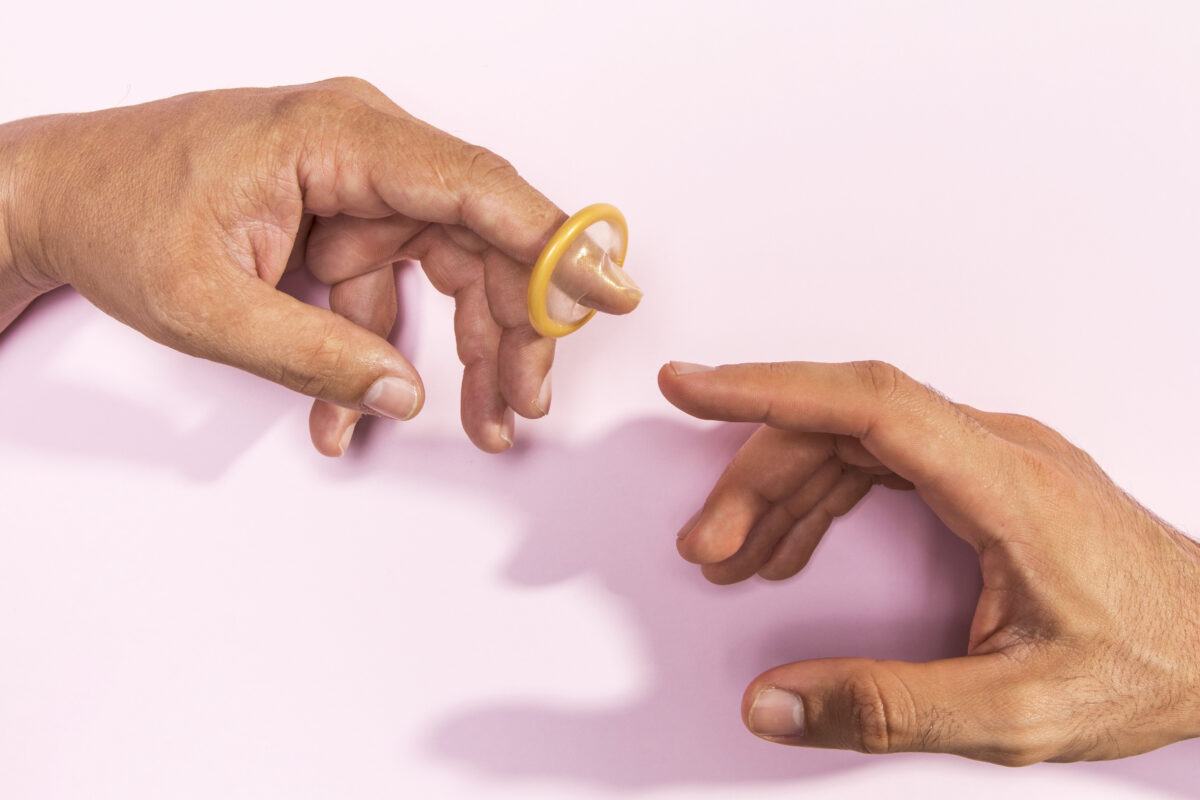
STI prevention in men: a practical guide without scaremongering

By Dr. Maria Fernanda Peraza Godoy - Specialist in Urology, Andrology and Sexual Medicine. GUA Urology and Andrology.

Table of Contents

  1. Why talk about this now?
  2. What will you find in this guide?
  3. Top 3 STIs we see the most in consultation
  4. "What if I don't have symptoms?"
  5. The 1-3-3 rule to test yourself without getting confused
  6. Window periods: when to test after a risky practice
  7. Practical prevention: what works
  8. Quick "before-during-after" checklist
  9. Why prevention messages don't get through (and how to make them get through)
  10. How we accompany you in GUA
  11. Make an appointment today

Why talk about this now?

Sexually transmitted infections (STIs) are on the rise in Spain and Europe. They especially affect young men, but no one is free. The good news: they can be prevented, detected in time and treated. Our aim with this article is to give you clear criteria, without scares or moralizing, so that you can make informed decisions about your sexual health.

Here you will find

  • Which STIs are the most frequent in men today and how they manifest themselves.
  • The 1-3-3 rule for deciding when to test yourself.
  • Practical prevention tips for vaginal, anal and oral sex.
  • What to do if you have a steady partner, if you have new partners or if you practice chemsex.
  • Vaccines that do protect you.
  • How we accompany you at GUA: confidentiality, testing, treatment and follow-up.

Top 3 STIs we see the most in consultation

1) Gonorrhea

What it is: a bacterium(Neisseria gonorrhoeae) that is transmitted by unprotected vaginal, anal or oral sex.

Typical symptoms in men: itching during urination, thick urethral discharge (yellow/greenish), testicular pain or swelling. Rectal pain or discharge and sore throat after oral sex may also occur. Sometimes, there are no symptoms.

Why it is a cause for concern: it progresses rapidly and is associated with antibiotic resistance. Requires proper diagnosis and choice of treatment.

Spread: by contact with infected secretions. Also during childbirth (from mother to baby). Not transmitted by towels, toilets or swimming pools.

More info: Gonorrhea - testing and treatment at GUA.

2) Chlamydia

What it is: Chlamydia trachomatis infection. Very common and often silent.

Symptoms in males: clear or thin discharge, burning during urination, pelvic discomfort or testicular pain. In the rectum: pain, tenesmus, discharge. In the throat: irritation.

Cause for concern: because it can go unnoticed and facilitate other infections. In men it can be complicated by epididymitis.

It is transmitted: by sex without a condom (vaginal, anal or oral) and by contact with secretions. There is perinatal transmission.

More info: Chlamydia - diagnosis and management.

3) Syphilis

What it is: Caused by the bacterium Treponema pallidum. It evolves in stages.

Guiding symptoms:

  • Primary: a painless ulcer (chancre) on the genitals, anus or mouth.
  • Secondary: rash on palms and soles, plaques on mucous membranes, fever, malaise.
  • Latent: no symptoms.
  • Tertiary (late): may affect heart, brain and other organs.

Spread: by direct contact with the ulcer during vaginal, anal or oral sex. It can also be transmitted during pregnancy.

More info: Syphilis - testing and treatment.

"What if I don't have symptoms?"

Most STIs can occur without clear signs, especially chlamydia and gonorrhea. Therefore, if you are sexually active, it is worth getting screened regularly and requesting tests in all areas of exposure (urethra/urine, rectum, and pharynx), not just urine.
To make it part of your routine, you can book your appointment online or write to us.

The 1-3-3 rule to test yourself without getting confused

  • 1 → If you have a steady partner and do not change partners, once a year. Whenever you change partners, get tested.
  • 3-6 → If you have new or multiple partners in parallel, every 3-6 months.
  • 3 → If you are MSM (men who have sex with men), use PrEP, practice chemsex or have frequent condomless sex, every 3 months.

Request tests according to your practices: urethra (urine or exudate), rectum, and pharynx. Add serology (syphilis, HIV), and hepatitis tests as appropriate.
Reinforce your plan with our sexual health content and request your screening.

Window periods: when to test after a risky practice

  • Chlamydia / Gonorrhea (PCR/NAAT): reliable detection from the first-second week after exposure. If you have symptoms, test earlier.
  • Syphilis (serology): antibodies are usually detected after 3-6 weeks; a very early negative test may require repetition.
  • HIV (4th generation): definitive result 6 weeks after the risk contact. If the negative result is earlier, control may be required.

Si hay síntomas compatibles, no esperes: consulta y valora tratamiento presuntivo. Después podrás repetir pruebas para confirmar curación.
En riesgo reciente (<72h), valora consulta urgente.

Practical prevention: what works

Non-negotiable

  • Condom: use it from the beginning to the end in vaginal, anal and oral sex. Change condoms when changing practices.
  • Lubricant: water or silicone based; avoid damaging the condom. Anal always with lubricant.
  • Periodic tests: apply the 1-3-3. Integrate the tests into your health routine.
  • Notify and treat partners if a test is positive.
  • Vaccines: HPV, hepatitis A, and hepatitis B. See our pages on HPV and
    Hepatitis.

Negotiable (depending on your context)

  • Partner agreements: monogamy, "negotiated monogamy", use of PrEP, or agreeing to testing before stopping condom use.
  • Oral barriers: condom for oral penile-mouth sex; latex barriers for oral-vulva/anus sex.
  • Self-exudates: some clinics allow pharyngeal/rectal self-tests (convenient and effective), ask for it.

For a complete approach to urogenital health, also check out our male pelvic floor section and other blog content.

Quick "before-during-after" checklist

  • Before: carry kit (condoms, lubricant, wipes), check expiration date, discuss limits and prevention methods.
  • During: if the condom breaks, change it immediately. Do not mix fat-based lubricants (oils, petroleum jelly) with latex condoms.
  • Después: si hubo incidente, valora PEP VIH (profilaxis post-exposición) cuanto antes (ideal < 72 h). Agenda test según ventana.
    Pedir cita.

Why prevention messages don't get through (and how to make them get through)

What slows down

  • Information ≠ awareness. Knowing facts does not always change behaviors.
  • False reassurance about silent infections. Chlamydia and gonorrhea may not give symptoms.
  • Inconsistent condom use. The risk of oral sex and practice changes without changing the condom is minimized.
  • Normalization of casual sex without screening. Sexual networks increase, but testing is not integrated as routine.
  • Low risk perception. "It's not going to happen to me."
  • Psychological reactance. Moralistic or fear messages generate rejection ("they want to control me").
  • Cognitive dissonance. To avoid guilt, we tend to minimize risk.
  • Guilt and shame. They block consultation and conversation.
  • Double social message. Pleasure is promoted but infection is stigmatized → confusion and silence.

How we change the script

  • Non-judgmental language, with focus on care and pleasure: choose condoms, lubricant, vaccinations and periodic tests.
  • Mnemonic rule 1-3-3 in all communications: annual / 3-6 months / 3 months.
  • Normalize the test as sexual hygiene. Same as dental check-up.
  • Explicit harm reduction (MSM and chemsex): partner agreements, PrEP, barriers to oral/anal sex, quarterly check-ups if high risk.
  • Concrete and measurable calls to action: "order your test this month", "bring your partner", "get vaccinated if you are missing".
  • Micro-messages that work: "No symptoms ≠ no STIs", "Test + condom = protection", "Safe sexual health = self-care + informed choices".

How we accompany you at GUA: confidentiality, testing, treatment and follow up

At GUA Urology and Andrology, we offer you a confidential and friendly environment. We perform STI tests tailored to your practices (urethra, rectum, pharynx, and serology), advise you on vaccination, initiate treatment when appropriate, and schedule follow-up appointments. Our approach is practical, without alarmism, focused on your well-being.
Meet our team: the GUA team and the author, Dr. Mafe Peraza Godoy.

Make an appointment today

Take the next step towards safe sexual health. Schedule your STI test or consultation with our team.

"Taking care of your sexual health is taking care of you. We are here to help you."


stages of a man's life

Men's sexual health: how to improve it at every stage of life

By Dr. María Fernanda Peraza Godoy - Urologist and Andrologist specialized in Sexual Medicine. 

Male sexual health is not an isolated episode, but a journey that accompanies men at every stage of life. From puberty to old age, biological, emotional and social changes influence how men experience their sexuality, how they care for it and what challenges they face.

Throughout this journey, a central theme recurs: men also need permission to take care of their sexual health, express vulnerability and ask for help without fear of losing virility. In this article we explore men's sex lives at every stage and how to enhance sexual well-being with a holistic approach.

Table of Contents

  1. Puberty: awakening of sexuality and first cares
  2. Youth and early adulthood: prevention and healthy habits
  3. Middle adulthood: sexuality as a health sentinel
  4. Maturity: redefining masculinity and coping with andropause
  5. Old age and longevity: active sexuality as a source of well-being.
  6. Final reflection: vulnerability as a strength
  7. Make an appointment today

Puberty: awakening of sexuality and first cares

Puberty marks the beginning of sexual maturation. Between the ages of 9 and 14, boys experience hormonal activation that triggers testosterone production, testicular growth, penile development, the appearance of pubic hair and a deeper voice.

Major challenges at puberty

  • Genital hygiene and care of the foreskin: a simple explanation on how to properly wash the penis prevents balanitis and infections.
  • STI education: condom use, consent and mutual respect in relationships.
  • Healthy approach to sexuality: understanding that sexuality is not about performance, but about self-knowledge and healthy bonds.

Youth and early adulthood: prevention and healthy habits

In the second and third decades of life, men reach their maximum physical and sexual potential, but also consolidate habits that will impact their future.

Key care at this stage

  • STI prevention: increase in cases of chlamydia, gonorrhea and syphilis. Recommendation: periodic testing and consistent use of condoms.
  • Lifestyle construct: what a man does in his 20s and 30s (diet, exercise, sleep, tobacco or alcohol consumption) has a direct impact on his fertility and future sexual health.
  • Stress and parenthood: anxiety and work pressure can affect erectile function.
  • Male fertility: healthy habits today are the best investment for tomorrow.

Male fertility is not unlimited: start taking care of it from a young age.

Middle adulthood: sexuality as a health sentinel

Between the ages of 40 and 55, sexuality becomes an indicator of overall health. Erectile dysfunction may be the first symptom of cardiovascular disease.

Key aspects

  • Erectile dysfunction as a warning sign: consulting a urologist can save your life, not just your sex life.
  • Hormonal check-up: detect incipient hypogonadism and differentiate it from normal aging.
  • Metabolic control: obesity, glucose and lipids influence testosterone and sexual function.
  • Stress management: professional and family responsibilities impact libido.

Sexuality is a mirror of cardiovascular health.

Maturity: redefining masculinity and coping with andropause

From the age of 50 onwards, many men face the so-called andropause or late hypogonadism. Its most common symptoms include:

  • Decreased sexual desire
  • Erection problems
  • Persistent fatigue
  • Loss of muscle mass
  • Emotional changes: apathy, irritability or sadness

Psychosocial challenges

  • The male cultural script leaves little room for vulnerability.
  • Many men consult late, delaying diagnosis and treatment.
  • Mature masculinity coexists with the demand to continue to perform sexually.

The approach should be comprehensive: medical evaluation, psychological support, nutrition, exercise and, in indicated cases, supervised testosterone therapy.

Old age and longevity: active sexuality as a source of well-being.

Sexuality does not disappear in old age: it evolves and continues to be a source of physical and emotional well-being.

Relevant data

  • Forty percent of men between 76 and 80 years of age are still sexually active.
  • Seventy-six percent believe that sex is still important in the relationship.
  • Masturbation is common and one in three uses sex toys.

Benefits of sexuality in old age

  • Cardiovascular improvement
  • Pelvic floor strengthening
  • Improved sleep quality and stress reduction
  • Reinforcement of self-esteem and partner connection

Intimacy in old age improves physical and emotional health.

Final reflection: vulnerability as a strength

The journey of male sexual health demonstrates that every stage of life has challenges and opportunities. Taking care of it does not detract from masculinity, it strengthens it. Consulting a specialist is an act of responsibility and courage that improves the quality of life and relationships.

Make an appointment today

In GUA Urology and Andrology, Gran Canaria, we are specialists in andrology and urology. We accompany you at every stage with a personalized approach.

"Your sexual health deserves attention at every stage of your life."

couple joining hands

Myths about men's sexual health that you must put behind you

By Dr. María Fernanda Peraza Godoy - Urologist-Andrologist | Specialist in Sexual Medicine. GUA Urology and Andrology, Gran Canaria.

Table of Contents

  1. Myth 1: The pressure to be "always ready".
  2. Myth 2: Shame about erectile dysfunction
  3. Myth 3: Domination as a synonym of desire
  4. Myth 4: Sex without emotional connection
  5. Myth 5: Sex as a race against the clock
  6. Myth 6: Aging kills desire
  7. Myth 7: Size is everything
  8. Impact on masculinity and sexual health.
  9. Request an appointment

Myth 1: The pressure to be "always ready".

The truth is that we are not machines: sexual desire fluctuates like anyone else's. Stress, lack of sleep or personal conflicts have a direct influence. Stress, lack of sleep or personal conflicts have a direct influence. This false expectation generates anxiety instead of intimacy. Not being "on" all the time is normal. If it worries you or affects your relationship, consult: many times, it is treatable.

Myth 2: Shame about erectile dysfunction

A widespread myth is that "real men don't have performance problems". Erectile dysfunction, premature ejaculation or other sexual difficulties are common and do not diminish masculinity. In the U.S., some 30 million men live with ED. Medical and therapeutic help makes a difference.

Myth 3: Domination as a synonym of desire

Healthy sex is based on respect and communication, not rigid roles. The demand to "act" dominant can block intimacy. Talking with your partner opens the door to authentic connections.

Myth 4: Sex without emotional connection

Many men desire emotional connection as well as physical. Ignoring that need breeds loneliness and frustration. Trust and vulnerability enrich the sex life.

Myth 5: Sex as a race against time

There is no timer. Premature ejaculation is common and does not mean failure. True satisfaction is in the connection, not the duration.

Myth 6: Aging kills desire

False. More than half of men over 70 are still sexually active. The key is to adapt, explore new forms of pleasure and take care of your health. Find out more on how to improve your prostate health.

Myth 7: Size is everything

Only 45% of heterosexual men and 62% of gay/bisexual men are comfortable with their size. However, most women do not consider it relevant. What is essential is emotional connection, communication and shared pleasure.

Impact on masculinity and sexual health.

These myths reflect a model of toxic masculinity that prevents men from recognizing needs and asking for help. This approach damages men's mental and physical health. Accepting vulnerability and consulting a specialist does not make you less of a man, it makes you healthier.

Taking care of your sexual health is taking care of you as a whole person, not as a stereotype.

Request an appointment

At GUA Urology and Andrology we perform a personalized diagnosis and treatment of male sexual health problems.

See also our article on real solutions for erectile dysfunction.

urinary tract infections in men in summer

Urinary tract infections in men: how to prevent and treat them in summer (guide 2025)

By Dr. Rubén Cutanda - Urology Specialist. GUA Urology and Andrology, Gran Canaria

Table of Contents

  1. Why do urinary tract infections increase in men in summer?
  2. Quick tips to prevent urinary tract infections
  3. Risk factors in men
  4. Most common symptoms and clinical forms
  5. New diagnostic tools 2025
  6. Effective summer prevention
  7. When to consult a urologist?
  8. Make an appointment today

Why do urinary tract infections increase in men in summer?

Urinary tract infections in men, although less frequent than in women, clearly increase during the summer. This pattern is well documented by medical studies. Factors such as heat, dehydration and some summer habits contribute to the increase of these infections.

  • Reduced hydration: causes more concentrated urine, which irritates the bladder and favors bacterial proliferation.
  • High temperatures: cause sweating and reduce urinary volume.
  • Prolonged use of wet clothing, such as wet swimsuits, creates an environment conducive to bacteria.
  • Holding urine: long trips or outdoor activities favor bacterial multiplication.
  • Increased sexual activity: increases the risk of urinary tract infections and STIs.

Quick tips to prevent urinary tract infections

Men can take simple steps to avoid urinary tract infections, especially in hot weather:

  • Drink 2 to 3 liters of water a day, even if you are not thirsty.
  • Change bathing suits after swimming and shower with clean water.
  • Urinate every 3-4 hours and always after sexual intercourse.
  • If you have a foreskin, retract it to urinate and avoid using toilet paper on the glans.

Preventing urinary tract infections in men is easier than it seems if you follow good daily habits.

Risk factors in men

Urinary tract infections in men are often associated with medical or anatomical conditions. Some common factors include:

  • Benign prostatic hyperplasia (BPH): hinders complete emptying of the bladder.
  • Unprotected sex: especially anal sex.
  • Urinary lithiasis or malformations: anatomical in the urethra, foreskin or kidneys.
  • Poorly controlled diabetes: increases the risk of infections due to altered defenses.
  • Urological catheterization: or frequent cystoscopies.
  • Immunosuppression: transplant, HIV or biological treatments.

Most common symptoms and clinical forms

Uncomplicated low ITU

Typical symptoms: itching when urinating, urgent and frequent need to urinate, sensation of incomplete voiding. No fever.

Acute prostatitis

Fever, pain in the perineal area and urinary difficulty. There may be retention. Requires urine culture and follow-up.

Pyelonephritis

Low back pain, high fever, general malaise. May require imaging tests if not improved with antibiotics.

New diagnostic tools 2025

Thanks to medical advances, it is now possible to diagnose urinary tract infections in men more quickly and effectively:

  • Flow-UTI®: flow cytometry that rules out infection in less than one minute.
  • Multiplex PCR: useful in hospitals to detect antibiotic resistance.

Effective summer prevention

In addition to the above tips, keep the following in mind:

  • Do not withhold urine for prolonged periods of time.
  • Use a condom for casual or anal sex.
  • Check the BPH if you notice a weak or dribbling stream.
  • Check your blood glucose if you are diabetic.
  • Wear dry underwear after swimming.

When to consult a urologist?

Go for a medical check-up if you have any of the following symptoms:

  • High fever or chills.
  • Flank or lower back pain.
  • Presence of blood in the urine.
  • Severe difficulty urinating.
  • Persistent symptoms after 48 h of antibiotic.
  • Testicular pain or discharge from the urethra.

Early diagnosis avoids complications and unnecessary treatment.

Make an appointment today

Do you have urinary discomfort or do you want to prevent problems this summer?

At GUA Urology and Andrology we offer you an expert diagnosis and a personalized approach.

References

  • EAU Guidelines. Urological Infections. 2025.
  • IDSA Clinical Practice Guideline for UTIs in Adults. 2025.
  • ECDC. Antimicrobial Resistance in Europe 2024 Report.
  • EMA. EPAR: Tebipenem pivoxil HBr, 2025.

"Urinary tract infections in men: more common in summer, but always preventable."

Illustration of ovary surrounded by spermatozoa.

Male infertility: common causes and treatment options

By Dr. Alejandro Silva - Specialist in Andrology. GUA Urology and Andrology, Gran Canaria

Table of Contents

  1. Male infertility exists (and it's more common than you think)
  2. Main causes of male infertility
  3. How do we evaluate male fertility at GUA?
  4. Treatment options available
  5. Why is it so important to study man as well?
  6. Why choose GUA for your fertility study?
  7. Make an appointment today

Male infertility exists (and it's more common than you think)

Did you know that 1 in 6 couples have difficulty conceiving? And the most surprising thing: in at least half of the cases, the male factor is involved.

Even so, infertility is perceived as a "women's problem", which has made the role of men invisible. Many men do not consult because of embarrassment, misinformation or because they have never considered that they could be part of the problem.

Male infertility has nothing to do with virility or sexual desire. It is simply the ability to produce functional sperm capable of fertilizing an egg and achieving a viable pregnancy.

This is not only a fertility issue, but also a general male health issue. A sperm alteration can alert about hormonal imbalances, clinical varicoceles, or even genetic alterations that could go unnoticed if not studied rigorously.

Many cases have a solution, but require an accurate and specialized diagnosis.

Main causes of male infertility

Varicocele

Varicocele is the most frequent cause. It is an abnormal dilation of the veins of the scrotum, which raises the testicular temperature and alters the production of sperm and testosterone.

  • Even 1 degree too much can affect fertility.
  • Varicocele microsurgery has been shown to triple spontaneous pregnancy rates.

Furthermore, in our clinical experience, not all varicoceles require intervention. It is essential to make a personalized evaluation, since there are mild cases that do not affect fertility and other moderate cases that do require surgery. The important thing is not to assume or generalize.

2. Duct obstructions

In some men, the testicle produces sperm, but there is an obstruction that prevents it from reaching the ejaculate (obstructive azoospermia).

  • Causes: infections (chlamydia, gonorrhea), vasectomy, congenital malformations.
  • At GUA we can repair blockages or extract sperm directly.

Even in cases of vasectomy, reconstructive microsurgery allows fertility to be restored without the immediate need for assisted reproduction. This option is also more natural and is preferred by many patients.

3. Problems in sperm production

It is the non-obstructive azoospermia, when the testicle does not produce spermatozoa or does so in minimal quantities.

Thanks to the surgical microscope, today we can detect functional areas and recover viable spermatozoa in almost 50% of cases.

4. Genetic alterations

Between 10 and 15% of men with low sperm count have microdeletions of the Y chromosome, which affect spermatogenesis.

In these cases it is essential to perform a complete genetic study before attempting assisted reproduction.

How do we evaluate male fertility at GUA?

The study begins with a semen analysis, but it does not stop there. At GUA we perform a comprehensive evaluation, which includes:

  • Complete semenogram (volume, concentration, morphology and motility)
  • Testicular ultrasound and Doppler
  • Hormonal assessment: FSH, LH, testosterone, prolactin
  • Andrological physical examination
  • Testicular biopsy (when indicated)
  • Genetic studies: karyotype, FISH, microdeletions, etc.

We also assess environmental and lifestyle factors: smoking, cannabis use, excessive heat in the genital area (such as saunas or laptops on the lap) or use of anabolic steroids can all affect sperm count and should be considered in the approach.

A bad diagnosis can cost you years, money and opportunities. At GUA, we look at the whole picture from day one.

Treatment options available

Surgical techniques

Sperm recovery techniques

  • TESE / MicroTESE: direct testicular sperm extraction

3. Assisted reproduction

We work in coordination with fertility clinics to apply techniques such as ICSI (intracytoplasmic sperm injection).

4. Medical treatments and supplements

  • Hormone regulation and correction of deficits
  • Antioxidant supplementation when indicated

At GUA, we combine science and experience: we do not apply standardized protocols, but design specific plans for each patient. This not only improves success rates, but also reduces frustration and emotional toll on couples.

Why is it so important to study man as well?

Because in many cases, the problem is in him. And if it is not studied correctly, the couple may undergo costly and unnecessary treatments.

  • Male study is less invasive, faster and cheaper than female study
  • It can completely change the therapeutic approach

Studying the man is not optional. It is an essential part of the diagnosis.

Why choose GUA for your fertility study?

  • Andrology unit specializing in male fertility
  • We are located in Gran Canaria, with state-of-the-art diagnostic technology.
  • Urology, microsurgery and direct coordination with fertility clinics
  • Comprehensive evaluation in one place

Make an appointment today

Have you been looking for pregnancy for more than a year without success? Have you still not had a complete andrological study?

It's time to act. At GUA we are here to help you.

"Male infertility: not your fault, but your responsibility."

Hello! How can we help you?

REQUEST APPOINTMENT