
Category Archives: News

couple joining hands

Myths about men's sexual health that you must put behind you

By Dr. María Fernanda Peraza Godoy - Urologist-Andrologist | Specialist in Sexual Medicine. GUA Urology and Andrology, Gran Canaria.

Table of Contents

  1. Myth 1: The pressure to be "always ready".
  2. Myth 2: Shame about erectile dysfunction
  3. Myth 3: Domination as a synonym of desire
  4. Myth 4: Sex without emotional connection
  5. Myth 5: Sex as a race against the clock
  6. Myth 6: Aging kills desire
  7. Myth 7: Size is everything
  8. Impact on masculinity and sexual health.
  9. Request an appointment

Myth 1: The pressure to be "always ready".

The truth is that we are not machines: sexual desire fluctuates like anyone else's. Stress, lack of sleep or personal conflicts have a direct influence. Stress, lack of sleep or personal conflicts have a direct influence. This false expectation generates anxiety instead of intimacy. Not being "on" all the time is normal. If it worries you or affects your relationship, consult: many times, it is treatable.

Myth 2: Shame about erectile dysfunction

A widespread myth is that "real men don't have performance problems". Erectile dysfunction, premature ejaculation or other sexual difficulties are common and do not diminish masculinity. In the U.S., some 30 million men live with ED. Medical and therapeutic help makes a difference.

Myth 3: Domination as a synonym of desire

Healthy sex is based on respect and communication, not rigid roles. The demand to "act" dominant can block intimacy. Talking with your partner opens the door to authentic connections.

Myth 4: Sex without emotional connection

Many men desire emotional connection as well as physical. Ignoring that need breeds loneliness and frustration. Trust and vulnerability enrich the sex life.

Myth 5: Sex as a race against time

There is no timer. Premature ejaculation is common and does not mean failure. True satisfaction is in the connection, not the duration.

Myth 6: Aging kills desire

False. More than half of men over 70 are still sexually active. The key is to adapt, explore new forms of pleasure and take care of your health. Find out more on how to improve your prostate health.

Myth 7: Size is everything

Only 45% of heterosexual men and 62% of gay/bisexual men are comfortable with their size. However, most women do not consider it relevant. What is essential is emotional connection, communication and shared pleasure.

Impact on masculinity and sexual health.

These myths reflect a model of toxic masculinity that prevents men from recognizing needs and asking for help. This approach damages men's mental and physical health. Accepting vulnerability and consulting a specialist does not make you less of a man, it makes you healthier.

Taking care of your sexual health is taking care of you as a whole person, not as a stereotype.

Request an appointment

At GUA Urology and Andrology we perform a personalized diagnosis and treatment of male sexual health problems.

See also our article on real solutions for erectile dysfunction.

urinary tract infections in men in summer

Urinary tract infections in men: how to prevent and treat them in summer (guide 2025)

By Dr. Rubén Cutanda - Urology Specialist. GUA Urology and Andrology, Gran Canaria

Table of Contents

  1. Why do urinary tract infections increase in men in summer?
  2. Quick tips to prevent urinary tract infections
  3. Risk factors in men
  4. Most common symptoms and clinical forms
  5. New diagnostic tools 2025
  6. Effective summer prevention
  7. When to consult a urologist?
  8. Make an appointment today

Why do urinary tract infections increase in men in summer?

Urinary tract infections in men, although less frequent than in women, clearly increase during the summer. This pattern is well documented by medical studies. Factors such as heat, dehydration and some summer habits contribute to the increase of these infections.

  • Reduced hydration: causes more concentrated urine, which irritates the bladder and favors bacterial proliferation.
  • High temperatures: cause sweating and reduce urinary volume.
  • Prolonged use of wet clothing, such as wet swimsuits, creates an environment conducive to bacteria.
  • Holding urine: long trips or outdoor activities favor bacterial multiplication.
  • Increased sexual activity: increases the risk of urinary tract infections and STIs.

Quick tips to prevent urinary tract infections

Men can take simple steps to avoid urinary tract infections, especially in hot weather:

  • Drink 2 to 3 liters of water a day, even if you are not thirsty.
  • Change bathing suits after swimming and shower with clean water.
  • Urinate every 3-4 hours and always after sexual intercourse.
  • If you have a foreskin, retract it to urinate and avoid using toilet paper on the glans.

Preventing urinary tract infections in men is easier than it seems if you follow good daily habits.

Risk factors in men

Urinary tract infections in men are often associated with medical or anatomical conditions. Some common factors include:

  • Benign prostatic hyperplasia (BPH): hinders complete emptying of the bladder.
  • Unprotected sex: especially anal sex.
  • Urinary lithiasis or malformations: anatomical in the urethra, foreskin or kidneys.
  • Poorly controlled diabetes: increases the risk of infections due to altered defenses.
  • Urological catheterization: or frequent cystoscopies.
  • Immunosuppression: transplant, HIV or biological treatments.

Most common symptoms and clinical forms

Uncomplicated low ITU

Typical symptoms: itching when urinating, urgent and frequent need to urinate, sensation of incomplete voiding. No fever.

Acute prostatitis

Fever, pain in the perineal area and urinary difficulty. There may be retention. Requires urine culture and follow-up.

Pyelonephritis

Low back pain, high fever, general malaise. May require imaging tests if not improved with antibiotics.

New diagnostic tools 2025

Thanks to medical advances, it is now possible to diagnose urinary tract infections in men more quickly and effectively:

  • Flow-UTI®: flow cytometry that rules out infection in less than one minute.
  • Multiplex PCR: useful in hospitals to detect antibiotic resistance.

Effective summer prevention

In addition to the above tips, keep the following in mind:

  • Do not withhold urine for prolonged periods of time.
  • Use a condom for casual or anal sex.
  • Check the BPH if you notice a weak or dribbling stream.
  • Check your blood glucose if you are diabetic.
  • Wear dry underwear after swimming.

When to consult a urologist?

Go for a medical check-up if you have any of the following symptoms:

  • High fever or chills.
  • Flank or lower back pain.
  • Presence of blood in the urine.
  • Severe difficulty urinating.
  • Persistent symptoms after 48 h of antibiotic.
  • Testicular pain or discharge from the urethra.

Early diagnosis avoids complications and unnecessary treatment.

Make an appointment today

Do you have urinary discomfort or do you want to prevent problems this summer?

At GUA Urology and Andrology we offer you an expert diagnosis and a personalized approach.

References

  • EAU Guidelines. Urological Infections. 2025.
  • IDSA Clinical Practice Guideline for UTIs in Adults. 2025.
  • ECDC. Antimicrobial Resistance in Europe 2024 Report.
  • EMA. EPAR: Tebipenem pivoxil HBr, 2025.

"Urinary tract infections in men: more common in summer, but always preventable."

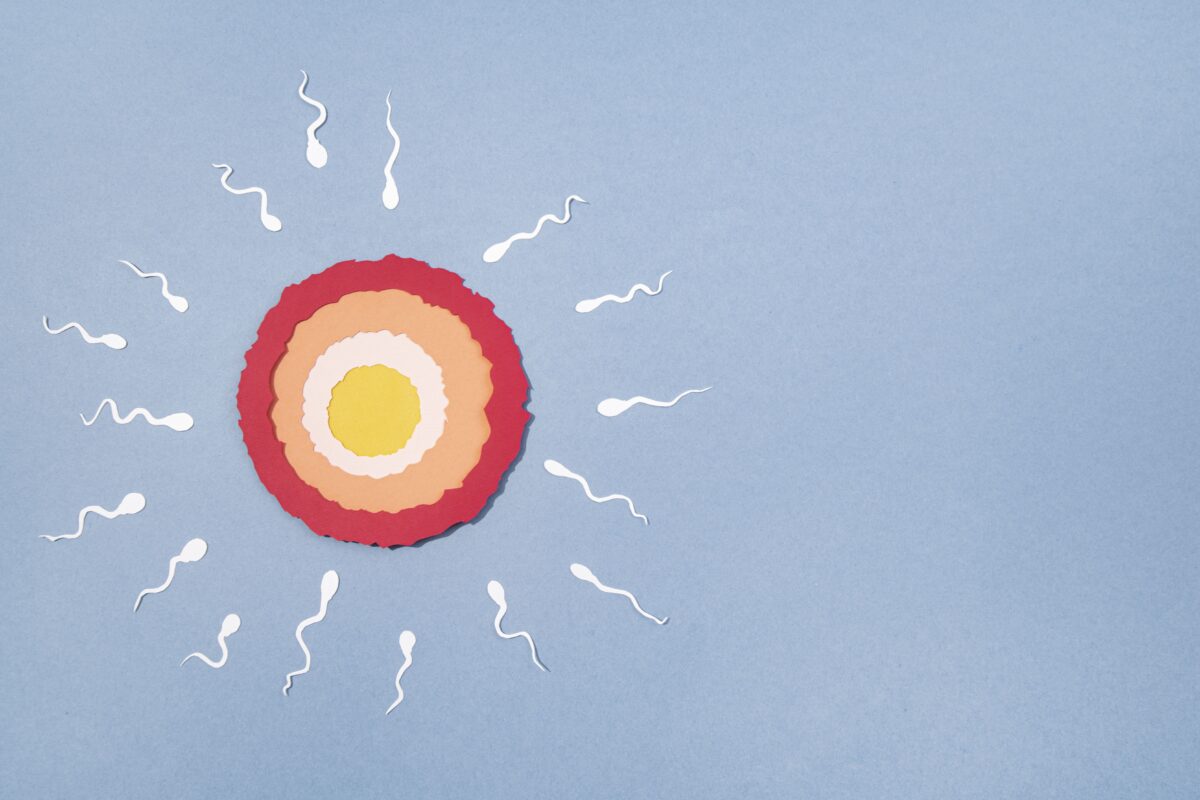
Illustration of ovary surrounded by spermatozoa.

Male infertility: common causes and treatment options

By Dr. Alejandro Silva - Specialist in Andrology. GUA Urology and Andrology, Gran Canaria

Table of Contents

  1. Male infertility exists (and it's more common than you think)
  2. Main causes of male infertility
  3. How do we evaluate male fertility at GUA?
  4. Treatment options available
  5. Why is it so important to study man as well?
  6. Why choose GUA for your fertility study?
  7. Make an appointment today

Male infertility exists (and it's more common than you think)

Did you know that 1 in 6 couples have difficulty conceiving? And the most surprising thing: in at least half of the cases, the male factor is involved.

Even so, infertility is perceived as a "women's problem", which has made the role of men invisible. Many men do not consult because of embarrassment, misinformation or because they have never considered that they could be part of the problem.

Male infertility has nothing to do with virility or sexual desire. It is simply the ability to produce functional sperm capable of fertilizing an egg and achieving a viable pregnancy.

This is not only a fertility issue, but also a general male health issue. A sperm alteration can alert about hormonal imbalances, clinical varicoceles, or even genetic alterations that could go unnoticed if not studied rigorously.

Many cases have a solution, but require an accurate and specialized diagnosis.

Main causes of male infertility

Varicocele

Varicocele is the most frequent cause. It is an abnormal dilation of the veins of the scrotum, which raises the testicular temperature and alters the production of sperm and testosterone.

  • Even 1 degree too much can affect fertility.
  • Varicocele microsurgery has been shown to triple spontaneous pregnancy rates.

Furthermore, in our clinical experience, not all varicoceles require intervention. It is essential to make a personalized evaluation, since there are mild cases that do not affect fertility and other moderate cases that do require surgery. The important thing is not to assume or generalize.

2. Duct obstructions

In some men, the testicle produces sperm, but there is an obstruction that prevents it from reaching the ejaculate (obstructive azoospermia).

  • Causes: infections (chlamydia, gonorrhea), vasectomy, congenital malformations.
  • At GUA we can repair blockages or extract sperm directly.

Even in cases of vasectomy, reconstructive microsurgery allows fertility to be restored without the immediate need for assisted reproduction. This option is also more natural and is preferred by many patients.

3. Problems in sperm production

It is the non-obstructive azoospermia, when the testicle does not produce spermatozoa or does so in minimal quantities.

Thanks to the surgical microscope, today we can detect functional areas and recover viable spermatozoa in almost 50% of cases.

4. Genetic alterations

Between 10 and 15% of men with low sperm count have microdeletions of the Y chromosome, which affect spermatogenesis.

In these cases it is essential to perform a complete genetic study before attempting assisted reproduction.

How do we evaluate male fertility at GUA?

The study begins with a semen analysis, but it does not stop there. At GUA we perform a comprehensive evaluation, which includes:

  • Complete semenogram (volume, concentration, morphology and motility)
  • Testicular ultrasound and Doppler
  • Hormonal assessment: FSH, LH, testosterone, prolactin
  • Andrological physical examination
  • Testicular biopsy (when indicated)
  • Genetic studies: karyotype, FISH, microdeletions, etc.

We also assess environmental and lifestyle factors: smoking, cannabis use, excessive heat in the genital area (such as saunas or laptops on the lap) or use of anabolic steroids can all affect sperm count and should be considered in the approach.

A bad diagnosis can cost you years, money and opportunities. At GUA, we look at the whole picture from day one.

Treatment options available

Surgical techniques

Sperm recovery techniques

  • TESE / MicroTESE: direct testicular sperm extraction

3. Assisted reproduction

We work in coordination with fertility clinics to apply techniques such as ICSI (intracytoplasmic sperm injection).

4. Medical treatments and supplements

  • Hormone regulation and correction of deficits
  • Antioxidant supplementation when indicated

At GUA, we combine science and experience: we do not apply standardized protocols, but design specific plans for each patient. This not only improves success rates, but also reduces frustration and emotional toll on couples.

Why is it so important to study man as well?

Because in many cases, the problem is in him. And if it is not studied correctly, the couple may undergo costly and unnecessary treatments.

  • Male study is less invasive, faster and cheaper than female study
  • It can completely change the therapeutic approach

Studying the man is not optional. It is an essential part of the diagnosis.

Why choose GUA for your fertility study?

  • Andrology unit specializing in male fertility
  • We are located in Gran Canaria, with state-of-the-art diagnostic technology.
  • Urology, microsurgery and direct coordination with fertility clinics
  • Comprehensive evaluation in one place

Make an appointment today

Have you been looking for pregnancy for more than a year without success? Have you still not had a complete andrological study?

It's time to act. At GUA we are here to help you.

"Male infertility: not your fault, but your responsibility."

medical examination

Erectile dysfunction: real solutions to get your sex life back on track

By Dr. María Fernanda Peraza Godoy - Specialist in Andrology and Sexual Medicine. GUA Urology and Andrology, Gran Canaria.

Table of Contents

  1. What is erectile dysfunction?
  2. Common causes of erectile dysfunction
  3. How do we assess erectile dysfunction in GUA?
  4. What can an erection reveal about your cardiovascular health?
  5. The importance of a specialized physical examination
  6. Effective treatments for erectile dysfunction
  7. Why choose GUA for your treatment?
  8. Conclusion: take the step towards your sexual well-being.

What is erectile dysfunction?

  • The erectile dysfunction is the persistent inability to achieve or maintain an erection that allows satisfactory sexual intercourse. It can come on gradually or suddenly, and always carries with it a significant emotional impact. In our experience, many men arrive convinced that the cause is "psychological", but in reality, a significant proportion has an organic cause, i.e. a physical problem that can be identified and treated with a rigorous clinical approach.

Common causes of erectile dysfunction

The most common factors include:

  • Psychological factors: performance anxiety, chronic stress, relationship problems.
  • Vascular disorders: diseases that hinder adequate blood flow, such as hypertension or atherosclerosis.
  • Hormonal imbalances: such as hypogonadism (testosterone deficiency), hyperprolactinemia, or thyroid disorders.
  • Neurological disorders.
  • Altered metabolism: such as type 2 diabetes, which damages nerves and vessels, or high cholesterol, which alters vascular elasticity.

💡 At GUA we use this consultation as an opportunity to diagnose underlying issues that affect your overall health.

How do we assess erectile dysfunction in GUA?

Our studies include:

  • Complete hormonal analyses, including total and free testosterone, prolactin, FSH, LH and thyroid profile.
  • Vascular evaluations (Echo Doppler): which allows us to visualize blood flow and detect possible obstructions or venous insufficiency.
  • Thorough physical examination of the penis, which is often overlooked, but may reveal structural pathologies such as fibrous plaques, non-physiological curvatures or asymmetries.
  • Assessment of the condition of the pelvic floor, whose dysfunction can affect rigidity and maintenance of erection.

We don't just prescribe drugs. We explore what others often overlook by performing erectile function studies and hormone analysis, but above all, we assess the physical condition of the penis, which is key to understanding the real cause.

What can an erection reveal about your cardiovascular health?

Erection is closely linked to vascular health. So when it fails, it can be an early sign that something is wrong with the circulatory system. In fact, recent studies and the European Urology Guidelines warn that even young men with no history of erectile dysfunction may have an elevated cardiovascular risk. At GUA, we assess all these aspects from the first consultation, not only to treat the symptom, but to understand its origin.

❤️ Early consultation not only allows you to recover your sex life, but also to detect in time possible cardiac problems that are still silent.

The importance of a specialized physical examination

Many clinics omit this step, but in GUA it is essential. Physical examination of the penis and pelvic area may reveal:

  • Fibrosis of corpora cavernosa, which prevents adequate filling during erection.

  • Signs of Peyronie's disease, such as plaques or curvatures that may cause pain or make penetration difficult.

  • Changes in sensitivity or muscle tone, which are associated with pelvic floor dysfunction.

🩺 These findings make it possible to choose more effective treatments and avoid inappropriate therapies that do not attack the real cause of the problem.

Effective treatments for erectile dysfunction

At GUA we combine advanced technology and regenerative medicine with a solid scientific basis:

Low intensity shock waves

  • They stimulate the regeneration of blood vessels.
  • Improve flow and oxygenation.
  • Storz Duolith® technology: customized, ambulatory and painless.
  • Non-invasive, painless and performed in an outpatient clinic.

Platelet Rich Plasma (PRP)

  • Repairs damaged tissues.
  • It is extracted from the patient himself.
  • Concentrated in growth factors that promote the regeneration of the corpora cavernosa.
  • It can be combined with shock waves.

🔬 Both therapies are backed by scientific evidence and more than 35 years of clinical experience in GUA.

Why choose GUA for your treatment?

Choosing GUA means choosing equipment that:

  • It is formed by specialists in andrology, regenerative urology and sexual medicine.
  • Uses advanced diagnostic equipment to explore all possible causes.
  • He has over 35 years of clinical experience, having successfully treated hundreds of cases.
  • It adopts a human, close and non-judgmental approach.

🔶 Book your appointment online at
📞 Phone: 928 264 695
📩 Email: info@urologiayandrologia.com

Conclusion: take the step towards your sexual well-being.

If you notice something has changed in your erectile function, don't ignore it or normalize it. At GUA we help you understand what's going on and find real and lasting solutions.

"It's not just about functioning. It's about living your sexuality with freedom, health and confidence."

Dr Pablo Juárez del Dago with the drug Bioksan Peseax

Natural Remedies for the Prostate: A Comprehensive Guide

Prostate health is critical to a man's overall well-being, but is often overlooked until problems arise. Maintaining proper balance in this area not only impacts urinary function, but also plays a crucial role in reproductive and hormonal health. Fortunately, there are natural solutions backed by scientific studies that can support optimal prostate function. In this article, we explore the benefits and the most effective natural ingredients to care for your prostate and improve your quality of life.

Prostate health benefits

Prostate care offers important benefits for men's health, such as the following:

Maintenance of prostate function: Contributes to the proper functioning of the prostate and prevents possible related disorders.

Hormonal balance: Helps regulate dihydrotestosterone (DHT) levels, a key factor in prostate enlargement, promoting a healthy hormonal balance.

Reproductive function support: Supports male reproductive health by maintaining optimal levels of testosterone and other hormonal factors.

Key ingredients for prostate wellness

Here are some natural ingredients that have been shown to be effective in supporting prostate health:

Enotprost® (Epilobium Angustifolium): This patented extract is known to inhibit 5-alpha-reductase, an enzyme responsible for the conversion of testosterone to DHT. By reducing DHT levels, it helps prevent prostate enlargement. In addition, it possesses anti-inflammatory and antioxidant properties that improve overall health. Clinical studies have demonstrated its efficacy in improving urinary symptoms and quality of life in men.

Serenoa repens and Pygeum africanum: This combination of herbal extracts works synergistically with Enotprost® to optimize the effects in reducing DHT, improving urinary flow and preventing prostate overgrowth. They are recognized for their anti-inflammatory and urinary function support properties.

Zinc, Selenium and Vitamin B6: These micronutrients are essential for hormonal balance and cellular protection. Zinc and selenium contribute to the maintenance of healthy testosterone levels, while vitamin B6 plays a crucial role in overall well-being and the reduction of oxidative stress in cells.

Peseax: a natural option for your prostate health

If you are looking for an option that combines all these effective ingredients in one supplement, Peseax is an excellent choice. This product has been formulated with extracts such as Enotprost®, Serenoa repens and Pygeum africanum, as well as key micronutrients such as Zinc, Selenium and Vitamin B6. With its potent combination of natural ingredients, Peseax offers a comprehensive approach to support your prostate health, promoting hormonal balance and proper urinary function.

The use of Peseax can help you keep your prostate in optimal condition and reduce urinary symptoms associated with prostate enlargement. Remember that, although natural supplements can be a great ally, it is important to complement them with healthy habits such as a balanced diet and regular exercise.

A holistic approach to male wellness

Prostate health care depends not only on natural ingredients, but also on adopting healthy habits in your daily routine. A balanced diet, regular exercise and regular visits to the specialist are essential to keep the prostate in optimal condition. If you experience urinary discomfort or have doubts about your prostate health, do not hesitate to consult one of our specialists, such as Dr. Pablo Juarez del Dago, who, in addition to appearing in the photo below, will be able to offer you the best guidance on the options available to take care of your urological health.


Hello! How can we help you?

REQUEST APPOINTMENT