
Author Archives: Dr. María Fernanda Peraza

Movember 2025 Complete Guide to Men's Health Care

Movember 2025: A Comprehensive Guide to Men's Health

By Dr. Maria Fernanda Peraza Godoy - Specialist in Urology, Andrology and Sexual Medicine. GUA Urology and Andrology.

Movember 2025 men's health in Gran Canaria: at GUA Urology and Andrology we promote prevention, early diagnosis, and comprehensive check-ups to care for the prostate, testicles, hormones, and mental well-being.
Learn about our campaign.

Movember 2025: a complete guide to men's health care

Table of Contents

  1. Movember: what is it and why does it matter in 2025?
  2. Annual prostate check-up: more than an exam
  3. Urinary symptoms that you should not normalize
  4. Testicular self-examination in 3 steps
  5. Andropause (androgen deficiency): signs and approach
  6. Mental wellness: asking for help is also prevention
  7. Opening up to talk: the true act of fortitude
  8. How we help you at GUA
  9. Frequently Asked Questions (FAQ)
  10. Book your appointment: Gran Canaria

Movember: what is it and why does it matter in 2025?

Movember was born to raise the visibility of men's health and promote action against prostate cancer, testicular cancer and mental health. In 2025 it is still key: many men consult late, minimize symptoms and postpone check-ups. Movember 2025 men's health means moving from symbolic gesture to real prevention: check, consult and act in time.

External reference sources: Movember Foundation, WHO - Men's Health, AECC - Prostate Cancer, Ministry of Health.

Annual prostate check-up: more than an exam

Screening is not a formality; it is an opportunity for prevention and early detection. Starting at age 50 (or earlier if there is a history), we recommend an annual assessment that may include:

  • Total and free PSA to assess prostate cancer risk.
  • Digital rectal examination to identify changes in the gland.
  • Renovesical and prostatic ultrasound to evaluate bladder, prostate and flow.
  • Multiparametric resonance according to clinical indication.

These tests can detect early stage tumors and understand how prostate growth impacts your urination. If you are experiencing symptoms, book your evaluation at GUA.

Urinary symptoms that you should not normalize

Benign prostatic hyperplasia (BPH) is common and can compress the urethra. Warning signs:

  • Weak or choppy stream
  • Urge to urinate or leakage
  • Nocturia (getting up several times a night)
  • Feeling of incomplete emptying

GUA advice: don't put it down to "old age." An accurate assessment prevents infections, bladder damage, and, in extreme cases, retention with kidney involvement.
Make an appointment.

Testicular self-examination in 3 steps

  1. Perform it after showering, with the scrotum relaxed.
  2. Explore each testicle with both hands, looking for hard nodules or changes in size/shape.
  3. If you notice something new, consult. Early detection improves results.

Also check out our men's health content section and meet our team.

Andropause (androgen deficiency): signs and approach

Up to half of men aged 45-74 years may present compatible symptoms: fatigue, irritability, reduced sexual desire, sleep disturbances or loss of muscle mass. These are not "personal failures"; they are signs that deserve evaluation. Talking about it without shame is the first step to recover physical, emotional and sexual well-being. In consultation we evaluate clinical history, analytical and individualized treatment options.

Mental wellness: asking for help is also prevention

Mental health is part of men's health. Normalizing asking for help, exploring stress, insomnia or mood and referring to the right resources is key. At the Movember Foundation you'll find helpful support programs and guides. Remember: asking for help is prevention.

Opening up to talk: the true act of fortitude

Health does not improve with silence. Recognizing that something is wrong gives you control. Every consultation is an opportunity to build confidence, understand what the body is saying and act in time. At GUA we combine high precision diagnosis with close and personalized treatments.

How we help you at GUA

  • Prevention and Movember check-upsPSA, rectal examination, ultrasound and MRI as indicated.
  • Management of BPHHBP management: accurate diagnosis and personalized therapies.
  • Sexual and hormonal healthandrogen deficiency assessment and treatment options.
  • Comprehensive and confidential careClear communication, shared decisions and follow-up.

Learn more about the Movember campaign

Frequently Asked Questions (FAQ)

What does "Movember 2025 men's health" mean to me?

It is the annual reminder to prioritize your health: prostate examination, testicular self-examination, hormonal evaluation and mental wellness. If you live in Gran Canaria, ask for your appointment at GUA.

How often should I have my prostate checked?

From the age of 50, annually (earlier if there is a family history or urinary symptoms). PSA and digital rectal examination are complementary.

When should I consult for urinary symptoms?

If you notice weak stream, urgency, nocturia or incomplete emptying. Do not normalize. Schedule an evaluation to prevent complications.

Is andropause treatable?

There are options. The first step is a medical evaluation to decide the most appropriate approach for you.

Does testicular self-examination replace consultation?

No. It is a self-care tool. If you detect a change, consult to complete the study.

Book your appointment: Gran Canaria

This Movember, the gesture that counts is to ask for help in time. We are here to help you.

sexually transmitted diseases

STI prevention in men: a practical guide without scaremongering

By Dr. Maria Fernanda Peraza Godoy - Specialist in Urology, Andrology and Sexual Medicine. GUA Urology and Andrology.

Table of Contents

  1. Why talk about this now?
  2. What will you find in this guide?
  3. Top 3 STIs we see the most in consultation
  4. "What if I don't have symptoms?"
  5. The 1-3-3 rule to test yourself without getting confused
  6. Window periods: when to test after a risky practice
  7. Practical prevention: what works
  8. Quick "before-during-after" checklist
  9. Why prevention messages don't get through (and how to make them get through)
  10. How we accompany you in GUA
  11. Make an appointment today

Why talk about this now?

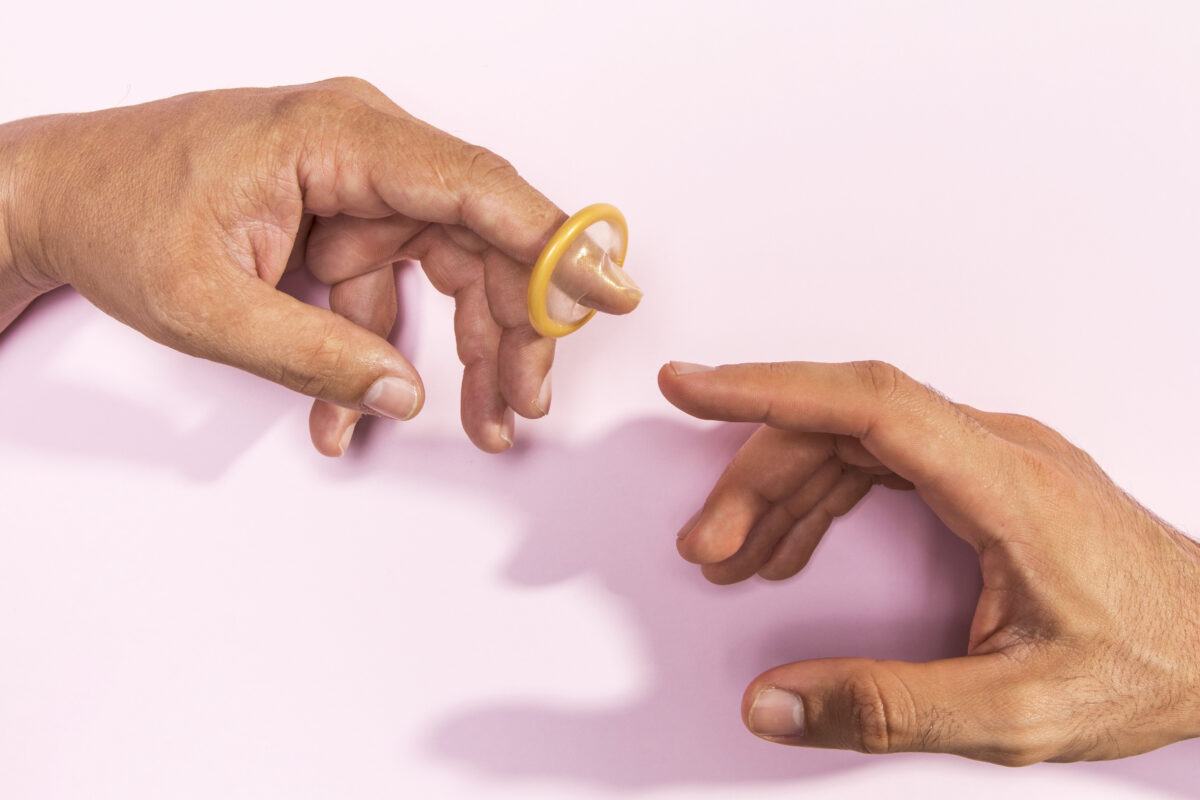
Sexually transmitted infections (STIs) are on the rise in Spain and Europe. They especially affect young men, but no one is free. The good news: they can be prevented, detected in time and treated. Our aim with this article is to give you clear criteria, without scares or moralizing, so that you can make informed decisions about your sexual health.

Here you will find

  • Which STIs are the most frequent in men today and how they manifest themselves.
  • The 1-3-3 rule for deciding when to test yourself.
  • Practical prevention tips for vaginal, anal and oral sex.
  • What to do if you have a steady partner, if you have new partners or if you practice chemsex.
  • Vaccines that do protect you.
  • How we accompany you at GUA: confidentiality, testing, treatment and follow-up.

Top 3 STIs we see the most in consultation

1) Gonorrhea

What it is: a bacterium(Neisseria gonorrhoeae) that is transmitted by unprotected vaginal, anal or oral sex.

Typical symptoms in men: itching during urination, thick urethral discharge (yellow/greenish), testicular pain or swelling. Rectal pain or discharge and sore throat after oral sex may also occur. Sometimes, there are no symptoms.

Why it is a cause for concern: it progresses rapidly and is associated with antibiotic resistance. Requires proper diagnosis and choice of treatment.

Spread: by contact with infected secretions. Also during childbirth (from mother to baby). Not transmitted by towels, toilets or swimming pools.

More info: Gonorrhea - testing and treatment at GUA.

2) Chlamydia

What it is: Chlamydia trachomatis infection. Very common and often silent.

Symptoms in males: clear or thin discharge, burning during urination, pelvic discomfort or testicular pain. In the rectum: pain, tenesmus, discharge. In the throat: irritation.

Cause for concern: because it can go unnoticed and facilitate other infections. In men it can be complicated by epididymitis.

It is transmitted: by sex without a condom (vaginal, anal or oral) and by contact with secretions. There is perinatal transmission.

More info: Chlamydia - diagnosis and management.

3) Syphilis

What it is: Caused by the bacterium Treponema pallidum. It evolves in stages.

Guiding symptoms:

  • Primary: a painless ulcer (chancre) on the genitals, anus or mouth.
  • Secondary: rash on palms and soles, plaques on mucous membranes, fever, malaise.
  • Latent: no symptoms.
  • Tertiary (late): may affect heart, brain and other organs.

Spread: by direct contact with the ulcer during vaginal, anal or oral sex. It can also be transmitted during pregnancy.

More info: Syphilis - testing and treatment.

"What if I don't have symptoms?"

Most STIs can occur without clear signs, especially chlamydia and gonorrhea. Therefore, if you are sexually active, it is worth getting screened regularly and requesting tests in all areas of exposure (urethra/urine, rectum, and pharynx), not just urine.
To make it part of your routine, you can book your appointment online or write to us.

The 1-3-3 rule to test yourself without getting confused

  • 1 → If you have a steady partner and do not change partners, once a year. Whenever you change partners, get tested.
  • 3-6 → If you have new or multiple partners in parallel, every 3-6 months.
  • 3 → If you are MSM (men who have sex with men), use PrEP, practice chemsex or have frequent condomless sex, every 3 months.

Request tests according to your practices: urethra (urine or exudate), rectum, and pharynx. Add serology (syphilis, HIV), and hepatitis tests as appropriate.
Reinforce your plan with our sexual health content and request your screening.

Window periods: when to test after a risky practice

  • Chlamydia / Gonorrhea (PCR/NAAT): reliable detection from the first-second week after exposure. If you have symptoms, test earlier.
  • Syphilis (serology): antibodies are usually detected after 3-6 weeks; a very early negative test may require repetition.
  • HIV (4th generation): definitive result 6 weeks after the risk contact. If the negative result is earlier, control may be required.

Si hay síntomas compatibles, no esperes: consulta y valora tratamiento presuntivo. Después podrás repetir pruebas para confirmar curación.
En riesgo reciente (<72h), valora consulta urgente.

Practical prevention: what works

Non-negotiable

  • Condom: use it from the beginning to the end in vaginal, anal and oral sex. Change condoms when changing practices.
  • Lubricant: water or silicone based; avoid damaging the condom. Anal always with lubricant.
  • Periodic tests: apply the 1-3-3. Integrate the tests into your health routine.
  • Notify and treat partners if a test is positive.
  • Vaccines: HPV, hepatitis A, and hepatitis B. See our pages on HPV and
    Hepatitis.

Negotiable (depending on your context)

  • Partner agreements: monogamy, "negotiated monogamy", use of PrEP, or agreeing to testing before stopping condom use.
  • Oral barriers: condom for oral penile-mouth sex; latex barriers for oral-vulva/anus sex.
  • Self-exudates: some clinics allow pharyngeal/rectal self-tests (convenient and effective), ask for it.

For a complete approach to urogenital health, also check out our male pelvic floor section and other blog content.

Quick "before-during-after" checklist

  • Before: carry kit (condoms, lubricant, wipes), check expiration date, discuss limits and prevention methods.
  • During: if the condom breaks, change it immediately. Do not mix fat-based lubricants (oils, petroleum jelly) with latex condoms.
  • Después: si hubo incidente, valora PEP VIH (profilaxis post-exposición) cuanto antes (ideal < 72 h). Agenda test según ventana.
    Pedir cita.

Why prevention messages don't get through (and how to make them get through)

What slows down

  • Information ≠ awareness. Knowing facts does not always change behaviors.
  • False reassurance about silent infections. Chlamydia and gonorrhea may not give symptoms.
  • Inconsistent condom use. The risk of oral sex and practice changes without changing the condom is minimized.
  • Normalization of casual sex without screening. Sexual networks increase, but testing is not integrated as routine.
  • Low risk perception. "It's not going to happen to me."
  • Psychological reactance. Moralistic or fear messages generate rejection ("they want to control me").
  • Cognitive dissonance. To avoid guilt, we tend to minimize risk.
  • Guilt and shame. They block consultation and conversation.
  • Double social message. Pleasure is promoted but infection is stigmatized → confusion and silence.

How we change the script

  • Non-judgmental language, with focus on care and pleasure: choose condoms, lubricant, vaccinations and periodic tests.
  • Mnemonic rule 1-3-3 in all communications: annual / 3-6 months / 3 months.
  • Normalize the test as sexual hygiene. Same as dental check-up.
  • Explicit harm reduction (MSM and chemsex): partner agreements, PrEP, barriers to oral/anal sex, quarterly check-ups if high risk.
  • Concrete and measurable calls to action: "order your test this month", "bring your partner", "get vaccinated if you are missing".
  • Micro-messages that work: "No symptoms ≠ no STIs", "Test + condom = protection", "Safe sexual health = self-care + informed choices".

How we accompany you at GUA: confidentiality, testing, treatment and follow up

At GUA Urology and Andrology, we offer you a confidential and friendly environment. We perform STI tests tailored to your practices (urethra, rectum, pharynx, and serology), advise you on vaccination, initiate treatment when appropriate, and schedule follow-up appointments. Our approach is practical, without alarmism, focused on your well-being.
Meet our team: the GUA team and the author, Dr. Mafe Peraza Godoy.

Make an appointment today

Take the next step towards safe sexual health. Schedule your STI test or consultation with our team.

"Taking care of your sexual health is taking care of you. We are here to help you."


stages of a man's life

Men's sexual health: how to improve it at every stage of life

By Dr. María Fernanda Peraza Godoy - Urologist and Andrologist specialized in Sexual Medicine. 

Male sexual health is not an isolated episode, but a journey that accompanies men at every stage of life. From puberty to old age, biological, emotional and social changes influence how men experience their sexuality, how they care for it and what challenges they face.

Throughout this journey, a central theme recurs: men also need permission to take care of their sexual health, express vulnerability and ask for help without fear of losing virility. In this article we explore men's sex lives at every stage and how to enhance sexual well-being with a holistic approach.

Table of Contents

  1. Puberty: awakening of sexuality and first cares
  2. Youth and early adulthood: prevention and healthy habits
  3. Middle adulthood: sexuality as a health sentinel
  4. Maturity: redefining masculinity and coping with andropause
  5. Old age and longevity: active sexuality as a source of well-being.
  6. Final reflection: vulnerability as a strength
  7. Make an appointment today

Puberty: awakening of sexuality and first cares

Puberty marks the beginning of sexual maturation. Between the ages of 9 and 14, boys experience hormonal activation that triggers testosterone production, testicular growth, penile development, the appearance of pubic hair and a deeper voice.

Major challenges at puberty

  • Genital hygiene and care of the foreskin: a simple explanation on how to properly wash the penis prevents balanitis and infections.
  • STI education: condom use, consent and mutual respect in relationships.
  • Healthy approach to sexuality: understanding that sexuality is not about performance, but about self-knowledge and healthy bonds.

Youth and early adulthood: prevention and healthy habits

In the second and third decades of life, men reach their maximum physical and sexual potential, but also consolidate habits that will impact their future.

Key care at this stage

  • STI prevention: increase in cases of chlamydia, gonorrhea and syphilis. Recommendation: periodic testing and consistent use of condoms.
  • Lifestyle construct: what a man does in his 20s and 30s (diet, exercise, sleep, tobacco or alcohol consumption) has a direct impact on his fertility and future sexual health.
  • Stress and parenthood: anxiety and work pressure can affect erectile function.
  • Male fertility: healthy habits today are the best investment for tomorrow.

Male fertility is not unlimited: start taking care of it from a young age.

Middle adulthood: sexuality as a health sentinel

Between the ages of 40 and 55, sexuality becomes an indicator of overall health. Erectile dysfunction may be the first symptom of cardiovascular disease.

Key aspects

  • Erectile dysfunction as a warning sign: consulting a urologist can save your life, not just your sex life.
  • Hormonal check-up: detect incipient hypogonadism and differentiate it from normal aging.
  • Metabolic control: obesity, glucose and lipids influence testosterone and sexual function.
  • Stress management: professional and family responsibilities impact libido.

Sexuality is a mirror of cardiovascular health.

Maturity: redefining masculinity and coping with andropause

From the age of 50 onwards, many men face the so-called andropause or late hypogonadism. Its most common symptoms include:

  • Decreased sexual desire
  • Erection problems
  • Persistent fatigue
  • Loss of muscle mass
  • Emotional changes: apathy, irritability or sadness

Psychosocial challenges

  • The male cultural script leaves little room for vulnerability.
  • Many men consult late, delaying diagnosis and treatment.
  • Mature masculinity coexists with the demand to continue to perform sexually.

The approach should be comprehensive: medical evaluation, psychological support, nutrition, exercise and, in indicated cases, supervised testosterone therapy.

Old age and longevity: active sexuality as a source of well-being.

Sexuality does not disappear in old age: it evolves and continues to be a source of physical and emotional well-being.

Relevant data

  • Forty percent of men between 76 and 80 years of age are still sexually active.
  • Seventy-six percent believe that sex is still important in the relationship.
  • Masturbation is common and one in three uses sex toys.

Benefits of sexuality in old age

  • Cardiovascular improvement
  • Pelvic floor strengthening
  • Improved sleep quality and stress reduction
  • Reinforcement of self-esteem and partner connection

Intimacy in old age improves physical and emotional health.

Final reflection: vulnerability as a strength

The journey of male sexual health demonstrates that every stage of life has challenges and opportunities. Taking care of it does not detract from masculinity, it strengthens it. Consulting a specialist is an act of responsibility and courage that improves the quality of life and relationships.

Make an appointment today

In GUA Urology and Andrology, Gran Canaria, we are specialists in andrology and urology. We accompany you at every stage with a personalized approach.

"Your sexual health deserves attention at every stage of your life."

Hello! How can we help you?

REQUEST APPOINTMENT