
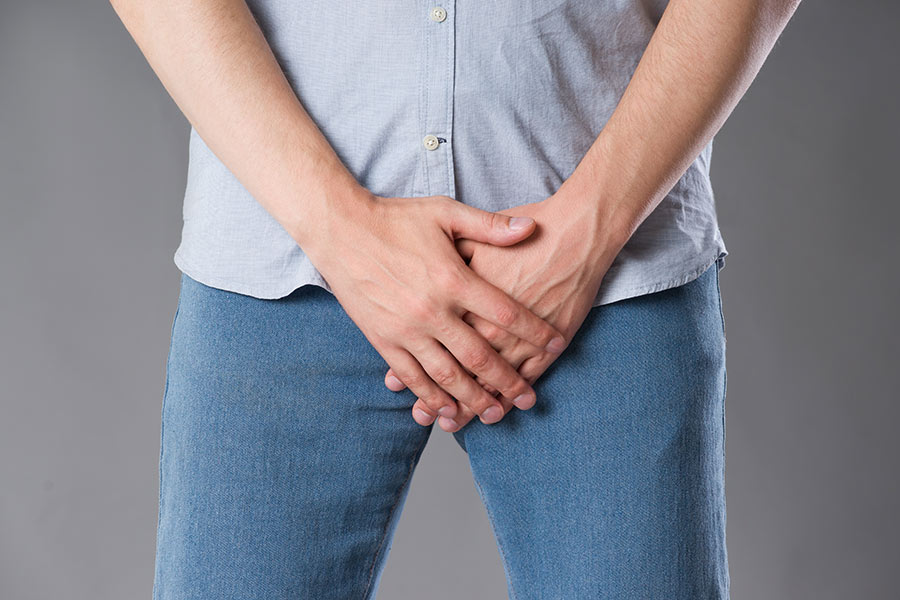
Incontinencia urinaria (IU)
La incontinencia urinaria es la pérdida involuntaria de orina, una condición que puede afectar significativamente a la calidad de vida de quienes la padecen. Aunque es más frecuente con la edad, no debe considerarse una consecuencia normal del envejecimiento y, en muchos casos, tiene tratamiento.
Existen diferentes tipos de incontinencia urinaria, como la de esfuerzo, que aparece al toser, reír o realizar ejercicio físico; la de urgencia, caracterizada por una necesidad repentina e intensa de orinar; o la mixta, que combina ambas situaciones.
El diagnóstico adecuado permite identificar la causa y establecer el tratamiento más apropiado, que puede incluir cambios en los hábitos de vida, rehabilitación del suelo pélvico, medicación o procedimientos mínimamente invasivos y quirúrgicos en los casos que lo requieran.
Nuestro objetivo es ofrecer una solución personalizada que permita recuperar la confianza, la comodidad y la calidad de vida.
What is the prostate?
The prostate is a muscular and glandular organ. Its function is to expel semen during sexual intercourse.
Where is the prostate located?
The prostate is an organ that surrounds the urethra at the level of the bladder neck.
What are the symptoms of prostate hyperplasia?
- Difficulty or delay in starting to urinate
- Need to strain to start urination
- Weak jet
- Interrupted or interrupted jet stream
- Dribbling at the end of urination
- Lower abdominal pain or discomfort
- Need to go to the toilet quickly: urgency of urination
What are the possible complications of Prostatic Hyperplasia?
If Benign Prostatic Hyperplasia is not treated in time, serious complications such as urinary tract infections, prostatic bleeding, urinary incontinence and, in the most severe cases, urinary retention (inability to urinate) or loss of kidney function can occur.
Alpha-1 Adrenergic Blockers
They relax the bladder neck and reduce resistance to urine output. Side effects are lower blood pressure and retrograde ejaculation (part of the semen, sometimes all of it, is not expelled forwards, but goes backwards into the bladder).
5 - alpha-reductase inhibitors
Their pharmacological effect has to do with hormone synthesis and how these affect the prostate. They have some effect on the growth of the prostate, and therefore on its volume. They may decrease sexual desire or alter sexual functions. They lower the PSA "artificially", so they cannot be used without being previously reassured about the PSA, as they could mislead us in their predictive value.
Antimuscarinic and B3-adrenergic drugs
To eliminate the symptoms of frequency and urgency of urination.
Phytotherapy or therapy with plant extracts
Plant extracts have been available in pharmacies for a very long time. They have been classically used to combat prostatism, and they work, although their effect is poorer.
When medical treatment has failed or the disease progresses, prostate surgery is indicated.
Our specialists




Don't let urological concerns get to you. Schedule an appointment with our expert urology team for accurate diagnosis and treatment.