Author Archives: Communication

couple joining hands

Myths about men's sexual health that you must put behind you

By Dr. María Fernanda Peraza Godoy - Urologist-Andrologist | Specialist in Sexual Medicine. GUA Urology and Andrology, Gran Canaria.

Table of Contents

  1. Myth 1: The pressure to be "always ready".
  2. Myth 2: Shame about erectile dysfunction
  3. Myth 3: Domination as a synonym of desire
  4. Myth 4: Sex without emotional connection
  5. Myth 5: Sex as a race against the clock
  6. Myth 6: Aging kills desire
  7. Myth 7: Size is everything
  8. Impact on masculinity and sexual health.
  9. Request an appointment

Myth 1: The pressure to be "always ready".

The truth is that we are not machines: sexual desire fluctuates like anyone else's. Stress, lack of sleep or personal conflicts have a direct influence. Stress, lack of sleep or personal conflicts have a direct influence. This false expectation generates anxiety instead of intimacy. Not being "on" all the time is normal. If it worries you or affects your relationship, consult: many times, it is treatable.

Myth 2: Shame about erectile dysfunction

A widespread myth is that "real men don't have performance problems". Erectile dysfunction, premature ejaculation or other sexual difficulties are common and do not diminish masculinity. In the U.S., some 30 million men live with ED. Medical and therapeutic help makes a difference.

Myth 3: Domination as a synonym of desire

Healthy sex is based on respect and communication, not rigid roles. The demand to "act" dominant can block intimacy. Talking with your partner opens the door to authentic connections.

Myth 4: Sex without emotional connection

Many men desire emotional connection as well as physical. Ignoring that need breeds loneliness and frustration. Trust and vulnerability enrich the sex life.

Myth 5: Sex as a race against time

There is no timer. Premature ejaculation is common and does not mean failure. True satisfaction is in the connection, not the duration.

Myth 6: Aging kills desire

False. More than half of men over 70 are still sexually active. The key is to adapt, explore new forms of pleasure and take care of your health. Find out more on how to improve your prostate health.

Myth 7: Size is everything

Only 45% of heterosexual men and 62% of gay/bisexual men are comfortable with their size. However, most women do not consider it relevant. What is essential is emotional connection, communication and shared pleasure.

Impact on masculinity and sexual health.

These myths reflect a model of toxic masculinity that prevents men from recognizing needs and asking for help. This approach damages men's mental and physical health. Accepting vulnerability and consulting a specialist does not make you less of a man, it makes you healthier.

Taking care of your sexual health is taking care of you as a whole person, not as a stereotype.

Request an appointment

At GUA Urology and Andrology we perform a personalized diagnosis and treatment of male sexual health problems.

See also our article on real solutions for erectile dysfunction.

Andropause: Symptoms, Diagnosis, and Treatment

By Dr. Francisco Juárez del Dago - Specialist in Urology and Andrology. GUA Urology and Andrology, Gran Canaria

Table of Contents

  1. What is andropause?
  2. Frequent symptoms
  3. Causes and hormonal changes in men
  4. Physical, emotional and social impact
  5. How it is diagnosed
  6. Treatment and comprehensive approach
  7. When to consider testosterone therapy (TRT)?
  8. Habits that make a difference
  9. Frequently asked questions
  10. Request an appointment

What is andropause?

Andropause, also called late-onset male hypogonadism, describes a set of physical, sexual and emotional symptoms associated with the progressive decrease of testosterone in men over the years. It is not an abrupt cessation like menopause, but a gradual decline that may or may not have relevant clinical repercussions.

At GUA we differentiate between normal hormonal aging and androgen deficiency with an impact on your quality of life, in order to provide you with the safest and most effective plan of action.

Frequent symptoms

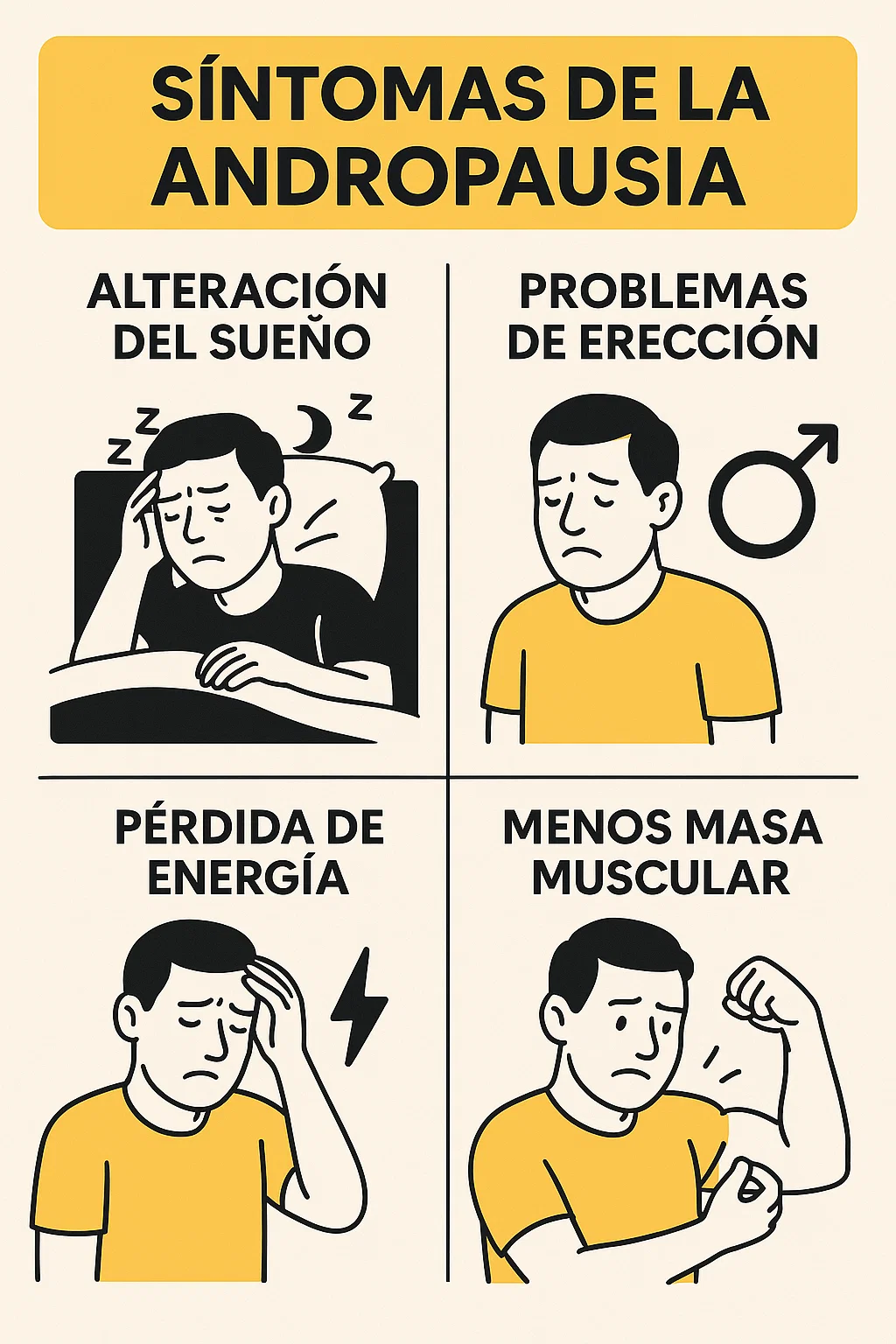
  • Decreased libido and/or erectile dysfunction. If you identify yourself, check out our article: erectile dysfunction: real solutions.
  • Fatigue, reduced vitality and motivation.
  • Loss of muscle mass and strength; increase in abdominal fat.
  • Mood swings, irritability or low mood.
  • Decreased body hair or bone density.
  • Urinary or prostate discomfort (useful tips on how to improve the health of your prostate).

If these symptoms affect your daily life, consult us: an early diagnosis allows you to act and recover your well-being.

Infographic with the most common symptoms of andropause: sleep disturbance, erection problems, loss of energy and muscle mass.
Infographic: main symptoms of andropause

If these symptoms affect your daily life, consult us: an early diagnosis allows you to act and recover your well-being.

Causes and hormonal changes in men

Testosterone, regulated by the hypothalamus-pituitary-testes axis, is involved in libido, sexual function, muscle mass, fat distribution, bone density and psychological well-being. With age it may decline and be modulated by:

  • Excess visceral fat and sedentary lifestyle.
  • Type 2 diabetes, hypertension, metabolic syndrome.
  • Sleep disorders (e.g., untreated apnea).
  • Chronic stress, anxiety or depression.
  • Drugs that interfere with the hormonal axis.

Physical, emotional and social impact

Beyond the hormonal aspect, andropause can be experienced as a challenge to identity and self-esteem. We attend not only to the physical symptoms, but also to their emotional and couple repercussions when necessary.

How it is diagnosed

The assessment combines compatible symptoms with fasting and morning hormone analysis:

  1. Clinical history and examination: sexual, metabolic and mood symptoms; urological examination and prostate orientation according to age and history.
  2. CBC: total testosterone in two morning determinations. In borderline values, consider free testosterone and LH/FSH. Rule out secondary causes (thyroid, vitamin deficiency, sleep apnea, drugs, etc.).

If pelvic symptoms are present, see our focus on prostatitis.

Treatment and comprehensive approach

The goal is not just to "normalize a number", but to recover your overall health. At GUA we combine:

1) Therapeutic exercise

  • Strength 2-3 days/week to preserve muscle mass and metabolism.
  • Moderate cardio for vascular health and energy.
  • In selected cases of erectile dysfunction, shock wave physiotherapy should be discussed with your specialist.

2) Nutrition and metabolic control

  • Eating pattern rich in quality proteins, vegetables, fruits and healthy fats.
  • Reduction of sugars and ultra-processed foods; target visceral fat loss when excess exists.

3) Sleep health and stress management

  • Sleep hygiene (7-8 h) and apnea screening/treatment if suspected.
  • Stress management strategies (mindfulness/therapy). When it affects the sexual sphere, clinical sexology can help.

4) Specific procedures and options

The basis for success is a combination of lifestyle + personalized treatment. Small, sustained changes add up to big results.

When to consider testosterone therapy (TRT)?

TRT is considered in men with persistent symptoms and compatible laboratory tests, after ruling out secondary causes and explaining benefits, risks and follow-up. It is not appropriate if short-term fertility is sought. It requires periodic controls (hormones, hemogram, PSA) and clinical review.

Habits that make a difference

  • Progressive strength plan + daily steps.
  • Sufficient protein and vegetables at every meal.
  • Sleep routine (7-8 hours) and exposure to natural light.
  • Alcohol and tobacco: limit/avoid.
  • Periodic urological check-ups; practical guide in prostate health.

Do you notice changes in energy, sexual desire or mood? We help you to evaluate it and recover your wellbeing. Book your appointment online or call us at 928 264 695.

Frequently asked questions

Does andropause affect everyone equally?

No. Hormonal decline and symptoms vary among individuals; therefore, the evaluation is individualized.

Can I get better without medication?

Yes: strength exercise, weight control, good sleep and stress management bring remarkable improvements. When this is not enough, we explore other therapeutic options.

Is TRT forever?

Not necessarily. It depends on the case, the clinical response and the patient's objectives; always with medical follow-up.

Request an appointment

At GUA Urology and Andrology we perform personalized diagnosis and treatment to help you recover your energy, sexual health and well-being.

"Detecting and treating andropause early is key to an active, full and healthy maturity."

Explore more content in Urology (blog) or check out our erectile dysfunction page (service).


Dr Pablo Juárez del Dago with the drug Bioksan Peseax

Natural Remedies for the Prostate: A Comprehensive Guide

Prostate health is critical to a man's overall well-being, but is often overlooked until problems arise. Maintaining proper balance in this area not only impacts urinary function, but also plays a crucial role in reproductive and hormonal health. Fortunately, there are natural solutions backed by scientific studies that can support optimal prostate function. In this article, we explore the benefits and the most effective natural ingredients to care for your prostate and improve your quality of life.

Prostate health benefits

Prostate care offers important benefits for men's health, such as the following:

Maintenance of prostate function: Contributes to the proper functioning of the prostate and prevents possible related disorders.

Hormonal balance: Helps regulate dihydrotestosterone (DHT) levels, a key factor in prostate enlargement, promoting a healthy hormonal balance.

Reproductive function support: Supports male reproductive health by maintaining optimal levels of testosterone and other hormonal factors.

Key ingredients for prostate wellness

Here are some natural ingredients that have been shown to be effective in supporting prostate health:

Enotprost® (Epilobium Angustifolium): This patented extract is known to inhibit 5-alpha-reductase, an enzyme responsible for the conversion of testosterone to DHT. By reducing DHT levels, it helps prevent prostate enlargement. In addition, it possesses anti-inflammatory and antioxidant properties that improve overall health. Clinical studies have demonstrated its efficacy in improving urinary symptoms and quality of life in men.

Serenoa repens and Pygeum africanum: This combination of herbal extracts works synergistically with Enotprost® to optimize the effects in reducing DHT, improving urinary flow and preventing prostate overgrowth. They are recognized for their anti-inflammatory and urinary function support properties.

Zinc, Selenium and Vitamin B6: These micronutrients are essential for hormonal balance and cellular protection. Zinc and selenium contribute to the maintenance of healthy testosterone levels, while vitamin B6 plays a crucial role in overall well-being and the reduction of oxidative stress in cells.

Peseax: a natural option for your prostate health

If you are looking for an option that combines all these effective ingredients in one supplement, Peseax is an excellent choice. This product has been formulated with extracts such as Enotprost®, Serenoa repens and Pygeum africanum, as well as key micronutrients such as Zinc, Selenium and Vitamin B6. With its potent combination of natural ingredients, Peseax offers a comprehensive approach to support your prostate health, promoting hormonal balance and proper urinary function.

The use of Peseax can help you keep your prostate in optimal condition and reduce urinary symptoms associated with prostate enlargement. Remember that, although natural supplements can be a great ally, it is important to complement them with healthy habits such as a balanced diet and regular exercise.

A holistic approach to male wellness

Prostate health care depends not only on natural ingredients, but also on adopting healthy habits in your daily routine. A balanced diet, regular exercise and regular visits to the specialist are essential to keep the prostate in optimal condition. If you experience urinary discomfort or have doubts about your prostate health, do not hesitate to consult one of our specialists, such as Dr. Pablo Juarez del Dago, who, in addition to appearing in the photo below, will be able to offer you the best guidance on the options available to take care of your urological health.


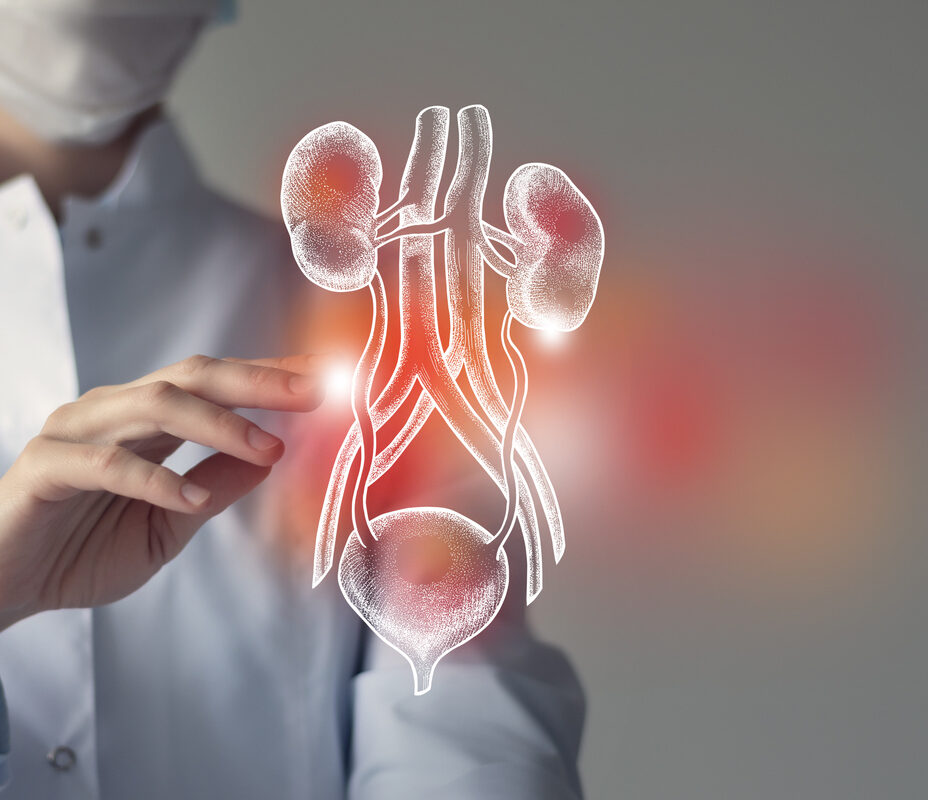
graph male urinary system

How to improve urinary tract health: habits, diet and supplements

Taking care of the urinary tract is key to prevent discomfort, recurrent infections and complications. Adopting healthy habits, following a balanced diet and considering the use of supplements are effective strategies to keep this system in good condition. At GUA Urology and Andrologywe have professionals such as Dr. Pablo Juarez del Dagowho can help you prevent and treat urinary disorders with a personalized approach.

Hydration: The foundation for a healthy urinary tract

Water helps eliminate bacteria and toxins from the urinary tract. The ideal is to drink between 6-8 glasses a day, adjusting according to individual needs. Fluids can also be supplemented with natural infusions, such as cranberry tea, for its antioxidant properties.

Diet for urinary health

Proper nutrition contributes to the health of the urinary system. It is recommended to incorporate foods rich in antioxidants such as cranberries, citrus fruits, green leafy vegetables and probiotics. These strengthen the immune system, reduce inflammation and hinder bacterial growth.

On the other hand, it is advisable to avoid irritants such as coffee, alcohol and spicy foods, as they can cause discomfort and affect the balance of the urinary tract.

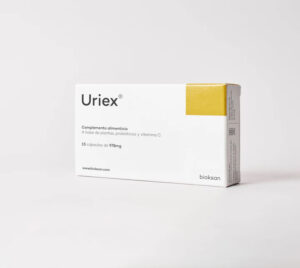
A reliable food supplement: Uriex

Uriex is a supplement formulated to prevent urinary tract infections and promote a healthy urinary tract. It contains key ingredients backed by scientific evidence:

  • D-mannoseD-mannose: A natural sugar that prevents bacteria such as E. coli from adhering to the walls of the bladder, facilitating its expulsion. Ideal to prevent recurrent infections.
  • Cranberry extractRich in proanthocyanidins, it reduces bacterial adhesion and provides protective antioxidants.
  • Vitamin CStrengthens the immune system and acidifies the urine, hindering bacterial growth.
  • Aloe VeraAloe Vera: Contributes to the maintenance of natural defenses against microorganisms.
  • Probiotics (L. acidophillus and L. rhamnosus)They help maintain the balance of intestinal and vaginal flora, essential for urinary health.

Benefits of supplementation:

Thanks to its formulation with natural ingredients and safe for daily use, Uriex is an excellent choice for preventing recurrent urinary tract infections and improving urinary tract health. However, it is always advisable to consult a physician before starting any supplement.

Healthy habits for a strong urinary tract

Small changes in routine can make a difference in preventing urinary tract infections:

  • Urinate regularly and do not hold urine for long periods.
  • Empty the bladder after sexual intercourse to reduce the risk of infections.
  • Maintain good intimate hygiene with appropriate products.
  • Wear cotton underwear and avoid tight-fitting garments.

When to consult a physician

It is important to see a health professional if you have symptoms such as:

  • Pain or burning when urinating.
  • Blood in the urine.
  • Fever or chills.
  • Lumbar pain.

If you experience any of these discomforts, we can help you. Make an appointment with our specialists through the following link: Make an appointment online.

Conclusion

Protecting the urinary tract is possible through adequate hydration, a balanced diet, preventive habits and specific supplements. At GUA Urology and Andrologywe offer specialized attention to take care of your urinary health.

Bladder Cancer: Diagnosis, Treatment and Advances in Robotic Surgery

Bladder cancer is one of the most common types of urinary tract cancer and ranks fourth in frequency among tumors diagnosed in our country. This type of cancer affects the bladder, a hollow muscular organ located in the lower abdomen, whose main function is to store urine. The good news is that, in most cases, bladder cancer is detected in early stages, which allows for highly effective treatment and the possibility of maintaining a good quality of life for patients.

Early Diagnosis: Key in the Treatment of Bladder Cancer

Detecting bladder cancer in its early stages is crucial to offer curative treatment and ensure a good quality of life. At GUA Urology and Andrology, we have the most advanced technology for early detection, such as high-definition cystoscopy, which allows us to accurately visualize the inside of the bladder and detect any abnormality in its early stages. This approach allows us to design a personalized and effective treatment for each patient.

Treatment options

Treatment of bladder cancer varies depending on the stage of the disease. In the early stages, minimally invasive treatments such as transurethral resection of the bladder (TUR) may be chosen. This procedure is performed through the urethra and allows removal of small tumors without the need for external incisions.

In cases where the cancer has invaded the bladder muscle, an intervention such as cystectomy (removal of the bladder) is required. Traditionally, this procedure involved the creation of an external urinary diversion, forcing the patient to use an external urine bag. However, advances in robotic surgery have revolutionized this area, allowing for less invasive solutions with better results.

Robotic surgery: A revolutionary advance

At GUA Urology and Andrology, we have integrated state-of-the-art robotic surgery, such as Medtronic's Hugo RAS system, to provide more precise procedures with fewer complications. Robotic surgery allows for smaller incisions and more precise control of every movement, resulting in faster recovery and less post-operative pain.

Advantages of robotic surgery in the treatment of bladder cancer

  1. Less invasive and more precise: Smaller incisions mean less pain and faster recovery.
  2. Preservation of the quality of life: The creation of neobladders allows patients to maintain a more natural urinary function, avoiding the use of an external urostomy bag.
  3. Reduced complications: The precision of robotic surgery minimizes the risk of infections and bleeding.
  4. Preservation of sexual function: Robotic surgery helps preserve sexual function, which is crucial to patients' quality of life.

NeovejigasNeovejigas: Innovation in bladder cancer surgery

One of the most significant advances in the treatment of bladder cancer is the creation of neobladders, a procedure that involves the reconstruction of a new bladder using a portion of the patient's bowel. This method allows urination to be more natural, significantly improving quality of life. Thanks to robotic surgery, this procedure is performed with greater precision, reducing side effects and improving long-term results.

At GUA Urology and Andrology, we are specialists in the diagnosis and treatment of bladder cancer and in performing robotic surgeries. If you have been diagnosed with bladder cancer or suspect you might have it, do not hesitate to contact us. We have the best diagnostic tests and a team of expert surgeons to provide you with the care you need.

We are here to offer you the best possible treatment and help you maintain a full and healthy life.

☎️ 928 264 695

📲 629 334 583. WhatsApp

📩 info@urologiayandrologia.com

➡️www.urologiayandrologia.com

José Mesa y López, 54. Las Palmas de Gran Canaria.

Hello! How can we help you?

REQUEST APPOINTMENT