
Author Archives: Communication

ERUS26: telecirugía robótica desde Canarias

Table of Contents

  1. Un hito en telecirugía desde Canarias
  2. De Padua a Las Palmas: telecirugía a miles de kilómetros
  3. Cirugía en directo junto a referentes internacionales
  4. Innovación que llega hasta nuestros pacientes
  5. Galería ERUS26
  6. Medical equipment
  7. Frequently asked questions
  8. Request an appointment

El Dr. Pablo Juárez del Dago y el equipo de GUA hacen historia en ERUS26 con un hito en telecirugía desde Canarias

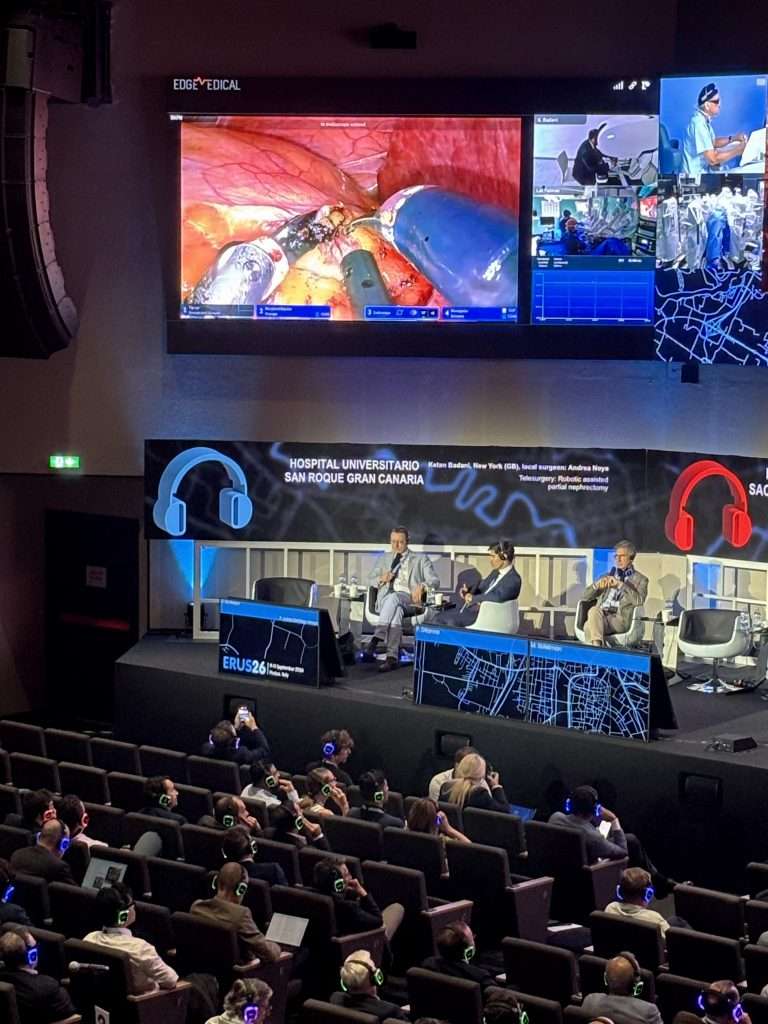
Una intervención conectó en tiempo real Padua con Las Palmas de Gran Canaria, con el Dr. Ketan Badani (Mount Sinai, Nueva York) a los mandos de la consola robótica desde Italia y la Dra. Andrea Noya junto al paciente en el quirófano en Canarias.

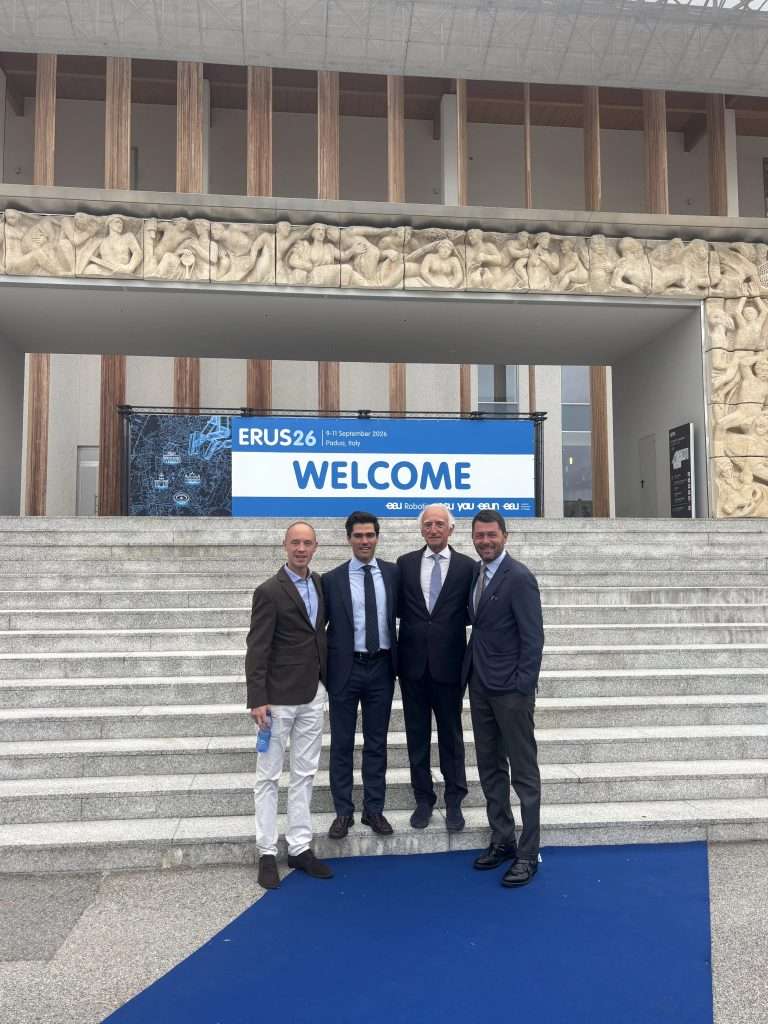
Del 9 al 11 de septiembre, el equipo de GUA Urología y Andrología participó en ERUS26, uno de los principales encuentros europeos de cirugía robótica urológica, celebrado en Padua (Italia).

Una edición especialmente importante para nuestro equipo, en la que el Dr. Pablo Juárez del Dago, Director Médico de GUA Urología y Andrología, participó en el programa de cirugía en directo y telecirugía junto a algunos de los principales referentes internacionales en cirugía robótica.

De Padua a Las Palmas: telecirugía a miles de kilómetros de distancia

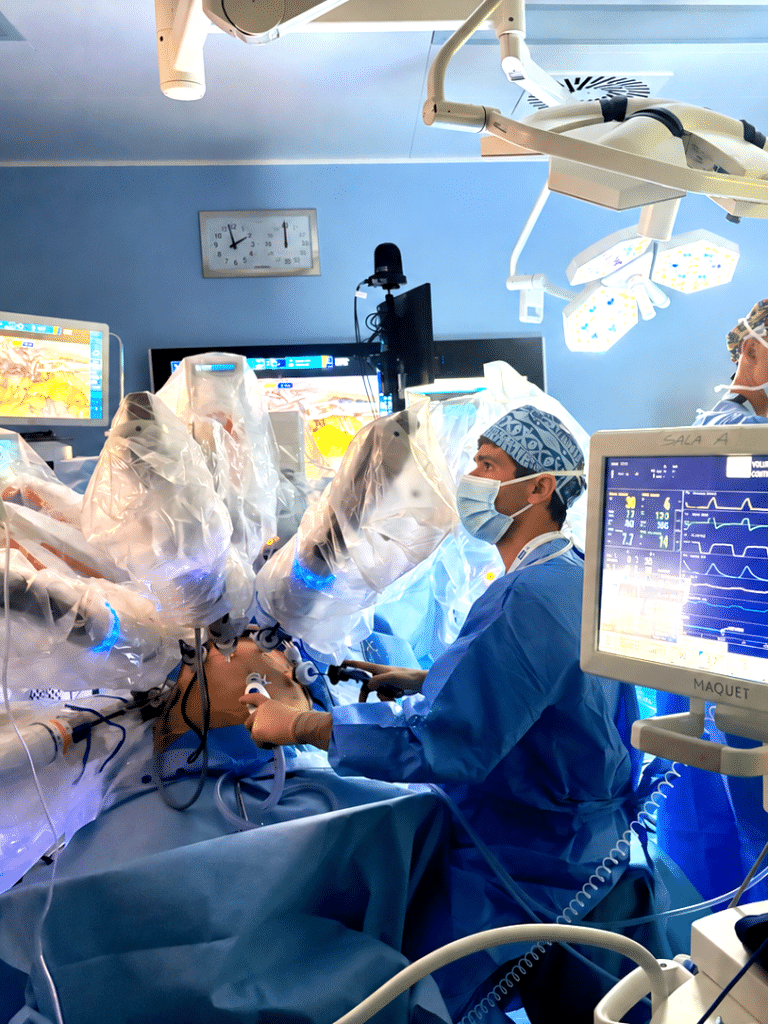
Uno de los grandes hitos de ERUS26 fue la conexión en tiempo real entre Padua y un quirófano en Las Palmas de Gran Canaria, para realizar una intervención mediante telecirugía robótica.

A los mandos de la consola robótica, desde Padua, se encontraba el Dr. Ketan Badani, del Mount Sinai de Nueva York, mientras que en Las Palmas la Dra. Andrea Noya, uróloga y cirujana robótica de nuestro equipo, permanecía junto al paciente con el equipo quirúrgico local.

El Dr. Pablo Juárez del Dago participó desde Padua en la moderación de la intervención, formando parte de una experiencia que mostró de manera muy tangible el potencial de la telecirugía: un cirujano operando un robot desde otro país mientras el paciente y el equipo quirúrgico se encuentran a miles de kilómetros de distancia.

Para Canarias, este avance adquiere una relevancia especial. La telecirugía abre nuevas posibilidades para conectar nuestros quirófanos con especialistas de referencia internacional y avanzar hacia una medicina en la que la distancia geográfica sea cada vez menos una barrera para acceder al conocimiento y la experiencia quirúrgica.

Cirugía en directo junto a referentes internacionales

La participación de GUA Urología y Andrología en ERUS26 fue más allá de la telecirugía. El equipo participó también en una compleja cirugía de fístula rectouretral retransmitida en directo desde el Hospital Universitario de Padua, realizada por el Prof. Richard Gaston junto al Dr. Pablo Juárez del Dago y nuestro enfermero quirúrgico Ignacio Baselga.

Contamos además con la experiencia del Dr. Alberto Breda, uno de los grandes referentes europeos en cirugía robótica y telecirugía, Presidente de ERUS, y con nuestro equipo audiovisual, desplazado hasta Italia para documentar las intervenciones y todo lo vivido durante ERUS26.

Innovación que llega hasta nuestros pacientes

Para GUA Urología y Andrología, participar en ERUS26 significa formar parte de los avances que están definiendo el futuro de la cirugía robótica y la telecirugía urológica, incorporando conocimiento y experiencia internacional a la atención que ofrecemos a nuestros pacientes en Canarias.

Tecnología, especialización y colaboración internacional con un mismo objetivo: ofrecer desde Canarias una urología cada vez más avanzada, precisa y conectada.

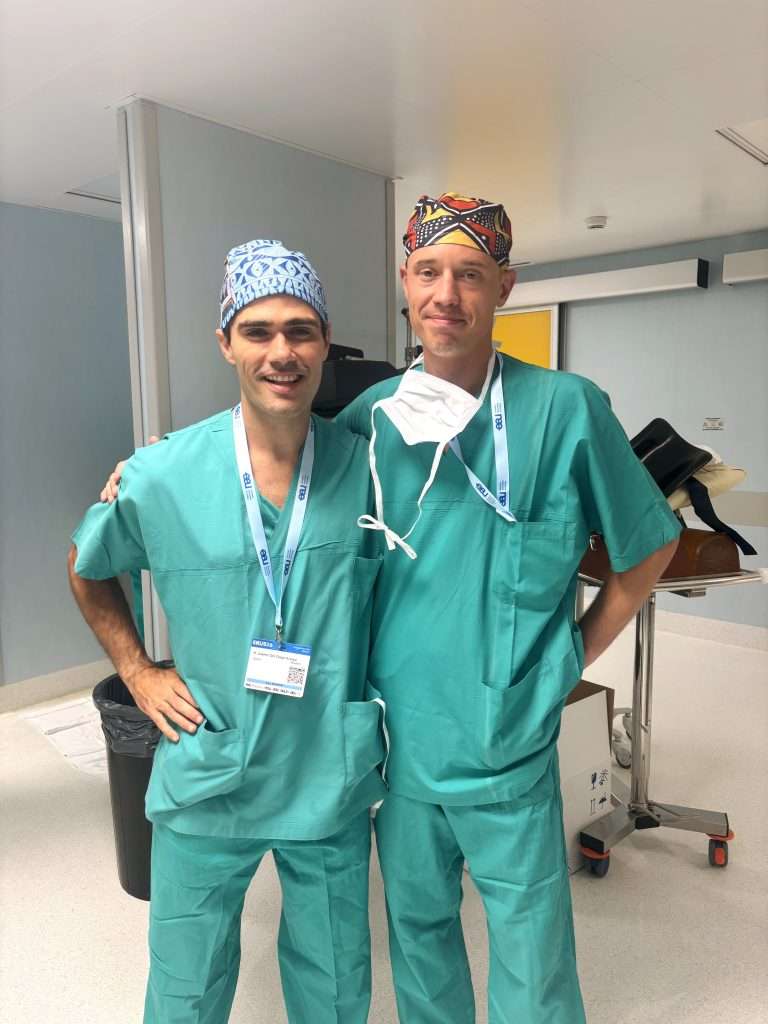
ERUS26: el equipo de GUA en Padua
Equipo de GUA en ERUS26

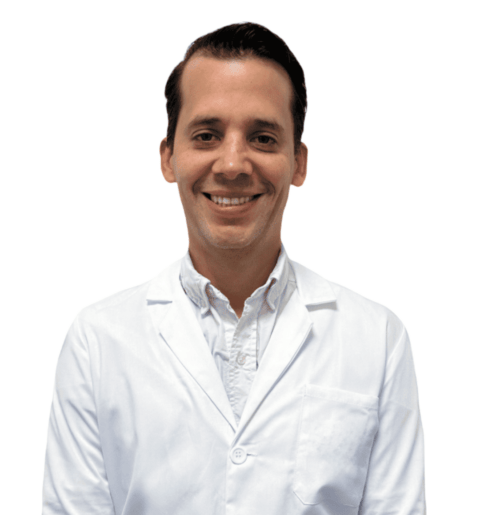
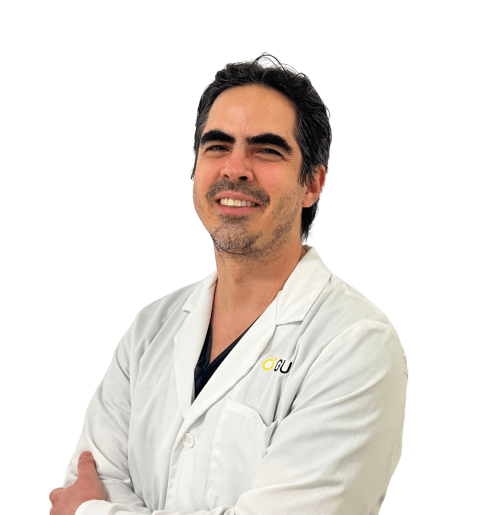
Dr. Pablo Juárez del Dago

Dr. Pablo Juárez del Dago

Director Médico · Cirujano robótico

Participó en el programa de cirugía en directo y telecirugía, moderando la intervención de telecirugía robótica Padua–Las Palmas y operando junto al Prof. Gaston.

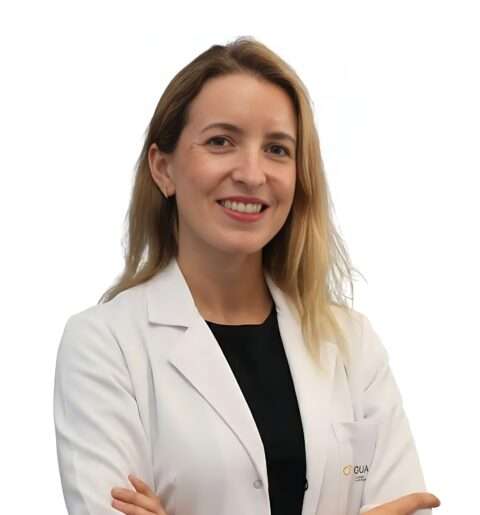
Dr. Andrea Noya

Dr. Andrea Noya

Uróloga · Cirujana robótica

Presente junto al paciente en el quirófano de Las Palmas de Gran Canaria durante la telecirugía robótica en tiempo real con Padua.
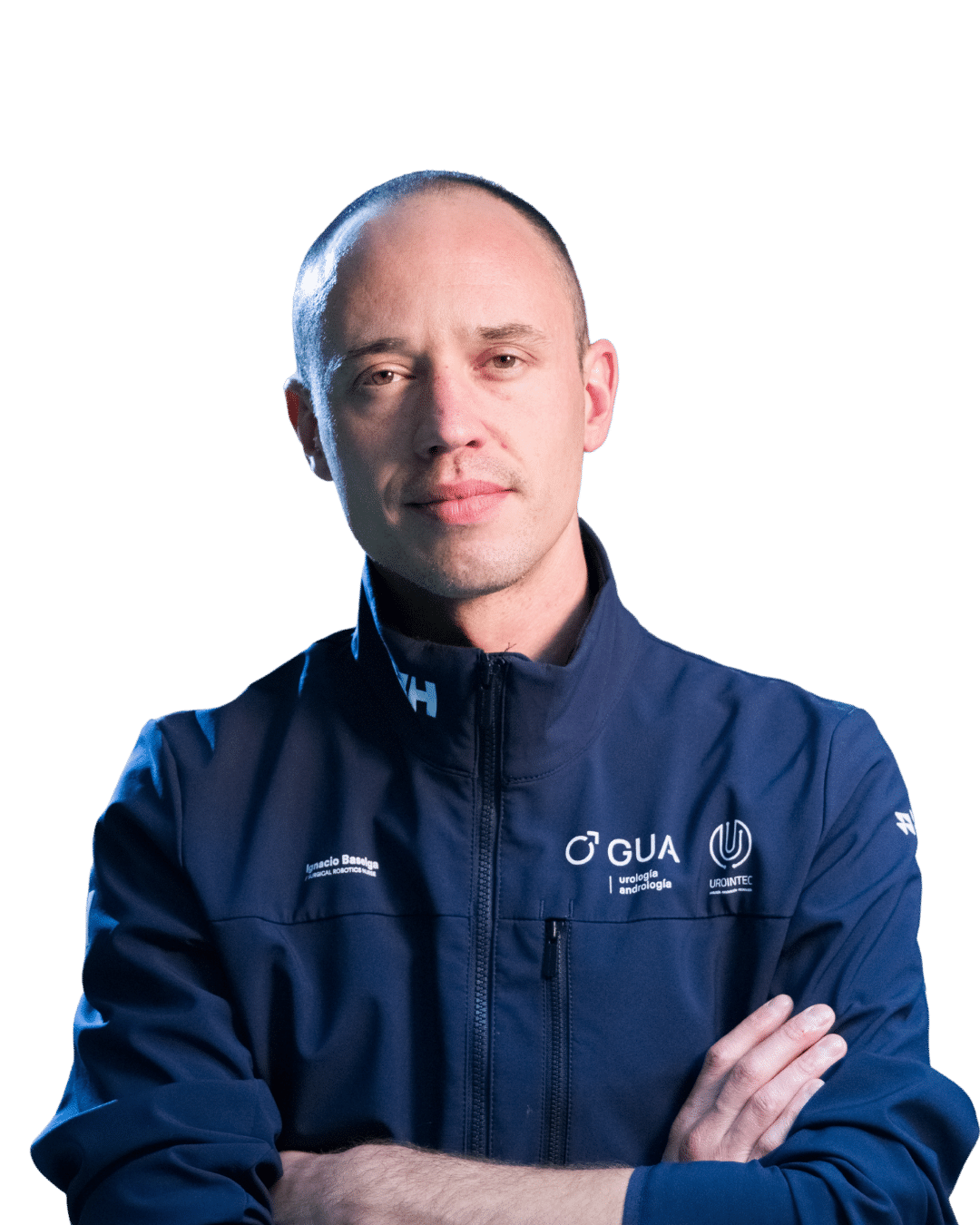
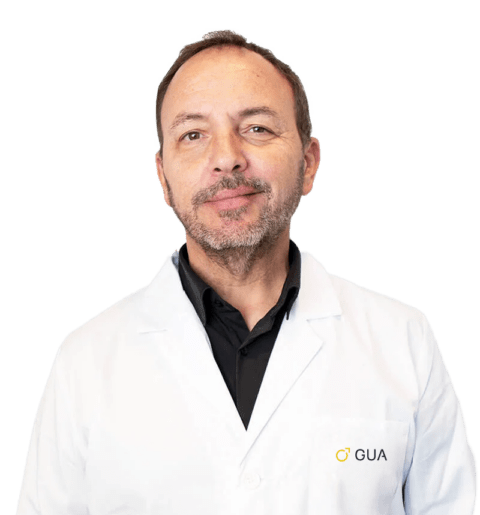
Ignacio Baselga – Enfermero quirúrgico

Ignacio Baselga

Enfermero quirúrgico

Enfermero quirúrgico de GUA Urología y Andrología. Se desplazó a Padua para participar en la cirugía en directo de fístula rectouretral junto al Dr. Pablo Juárez del Dago y el Prof. Richard Gaston.

Preguntas frecuentes sobre telecirugía y cirugía robótica

¿Qué es la telecirugía robótica?

La telecirugía permite que un cirujano opere a un paciente a distancia mediante un sistema robótico controlado en tiempo real. El cirujano maneja la consola robótica desde una ubicación remota mientras el robot ejecuta los movimientos en el quirófano donde se encuentra el paciente, acompañado por un equipo quirúrgico especializado.

¿Qué es ERUS y por qué es relevante?

ERUS (EAU Robotic Urology Section Meeting) es uno de los principales encuentros europeos dedicados a la cirugía robótica urológica, organizado por la Asociación Europea de Urología (EAU). Reúne a los principales especialistas internacionales para compartir innovaciones, técnicas quirúrgicas y cirugías en directo.

¿La telecirugía está disponible para pacientes en Canarias?

La participación de GUA Urología y Andrología en proyectos de telecirugía como el de ERUS26 es un paso hacia la integración de esta tecnología en la práctica clínica. Hoy ya permite conectar nuestros quirófanos con especialistas de referencia internacional, y su desarrollo sigue avanzando para que los pacientes en Canarias puedan beneficiarse de la mejor experiencia quirúrgica sin depender de desplazamientos.

¿GUA ofrece cirugía robótica en Las Palmas?

Sí. GUA Urología y Andrología dispone de un equipo especializado en cirugía robótica en Las Palmas de Gran Canaria, con experiencia en procedimientos urológicos de alta complejidad y colaboración con referentes internacionales.

Solicita tu cita en GUA

Si necesitas atención urológica especializada o quieres conocer las opciones de cirugía robótica disponibles en Las Palmas de Gran Canaria:
La cirugía estética genital masculina gana terreno en Canarias

Table of Contents

  1. La cirugía estética genital masculina gana terreno
  2. Desmitificar la estética genital
  3. Rigor clínico en quirófano
  4. Las tres fases del éxito quirúrgico
  5. Autoestima y función sexual
  6. Compromiso con la excelencia médica
  7. Sobre el autor
  8. Frequently asked questions
  9. Request your assessment

La cirugía estética genital masculina gana terreno en Canarias

La medicina y la andrología se encuentran en un momento de transformación. La búsqueda de la mejora estética y el bienestar corporal, históricamente asociada a otras áreas de la cirugía plástica, ha roto tabúes en el ámbito de la salud masculina. En la actualidad, crece de forma sostenida la demanda de la cirugía estética genital masculina, una disciplina quirúrgica que combina precisión anatómica, rigor técnico y un impacto directo en la confianza y la calidad de vida de los pacientes.

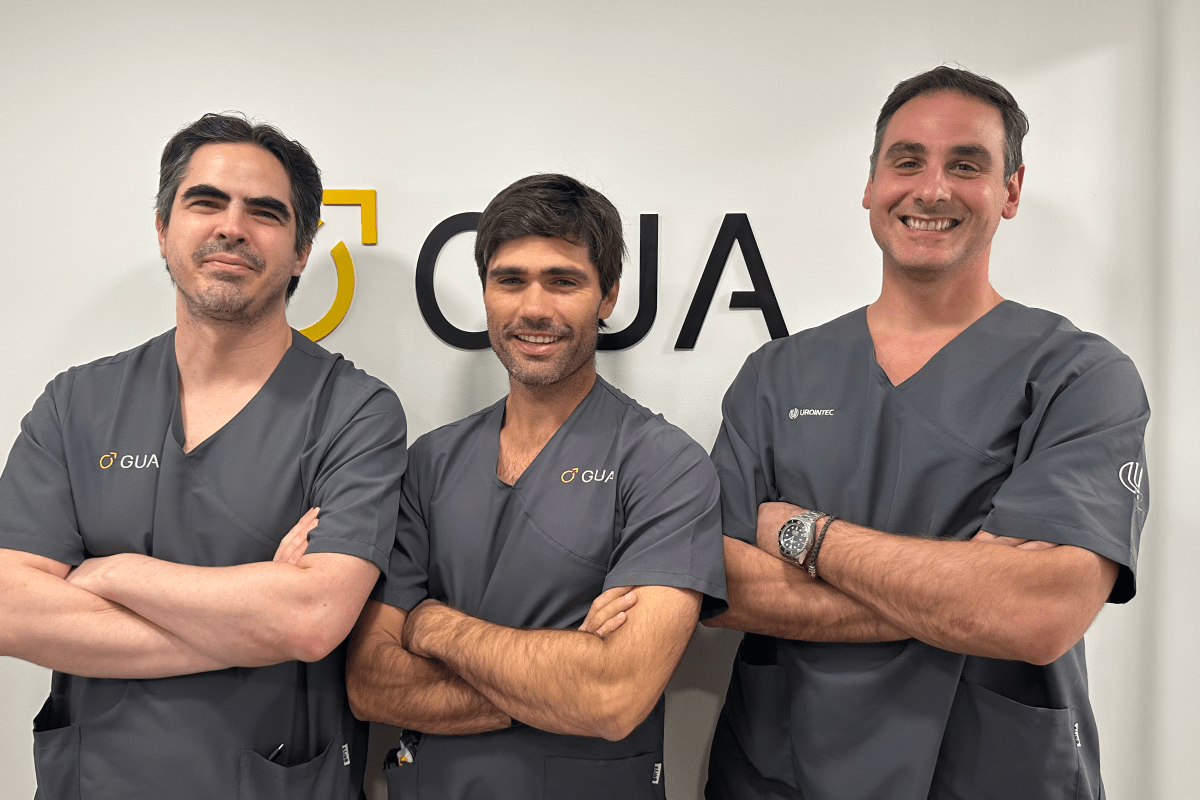
Con motivo de esta creciente tendencia y en el marco de la apuesta de GUA Urología y Andrología por la colaboración médica de vanguardia, hemos contado con la visita del Dr. Carlos Cutini, reconocido cirujano plástico argentino. El especialista ha acompañado en el quirófano al equipo liderado por el Dr. Pablo Juárez del Dago y el Dr. Nicolás Nervo, urólogos y andrólogos de la clínica, en dos procedimientos de alta complejidad en Las Palmas de Gran Canaria.

Desmitificar la estética genital: de la norma anatómica a la satisfacción personal

Tradicionalmente, la intervención quirúrgica en la zona genital masculina se asociaba de forma exclusiva al tratamiento de patologías o malformaciones orgánicas. Sin embargo, la realidad clínica actual demuestra un cambio de paradigma.

«Hoy en día, un paciente que desea un cambio en su cuerpo puede empezarlo a nivel de la nariz, los párpados o los genitales. No forma parte de un tratamiento para una enfermedad, sino de buscar que el paciente se sienta mejor y su autoestima mejore.» — Dr. Carlos Cutini, Cirujano Plástico

Rigor clínico en quirófano: abordaje multidisciplinar y casos de alta complejidad

Durante la jornada de trabajo conjunto en GUA Urología y Andrología, la dirección médica clínica del Dr. Pablo Juárez del Dago y el Dr. Nicolás Nervo, junto a la aportación técnica en cirugía plástica del Dr. Cutini, abordó dos escenarios quirúrgicos representativos:

Reconstrucción y revisión compleja

Paciente con antecedente de cirugía bariátrica e intervenciones estéticas previas en otro centro que derivaron en fibrosis y severa flacidez. En un único procedimiento integral, se abordó pubis, pene y escroto mediante:

  • Alargamiento peneano
  • Escrotoplastia (cirugía reconstructiva del escroto)
  • Pubic lift
  • Liposucción pubiana

Alargamiento peneano

Paciente de 40 años, sin antecedentes estéticos previos y con perfil físico atlético, intervenido de alargamiento peneano para lograr una ganancia estética de longitud en estado flácido.

En procedimientos estándar de alargamiento, la técnica permite ganar habitualmente entre 1 y 3 centímetros en estado de flacidez, modificando la estructura anatómica externa sin comprometer la funcionalidad.

Las tres fases del éxito quirúrgico y la gestión de expectativas

Para garantizar la seguridad del paciente y la excelencia en los resultados, el proceso quirúrgico en GUA se estructura en tres etapas fundamentales:

1. Fase de evaluación preoperatoria

Diagnóstico preciso y alineación estricta de expectativas. Es imprescindible evaluar las motivaciones del paciente, asegurando que la decisión sea 100 % voluntaria y libre de influencias externas o expectativas irreales derivadas del consumo de pornografía o redes sociales.

2. Fase técnica o quirúrgica

Ejecución en quirófano a cargo de un equipo multidisciplinar con tecnología médica avanzada y máximo respeto por la anatomía vascular y funcional del paciente.

3. Fase de cuidados postoperatorios

Seguimiento riguroso por parte de profesionales experimentados, factor crítico para la correcta cicatrización y consecución del objetivo clínico.

Autoestima y función sexual: el impacto emocional del cambio

Un punto clave destacado por el equipo médico es la relación entre la anatomía y la vivencia de la sexualidad. La cirugía estética genital modifica parámetros estructurales del pene, escroto o zona púbica, pero no altera la fisiología de la erección.

Sin embargo, el impacto positivo en la salud sexual es innegable. Al mejorar la percepción corporal y eliminar complejos o disconformidades, el paciente incrementa su autoestima, lo que se traduce directamente en una mayor seguridad.

Compromiso con la excelencia y la vanguardia médica

La consolidación de la cirugía estética genital masculina en GUA Urología y Andrología reafirma nuestro compromiso con un modelo asistencial que sitúa al paciente en el centro. La integración de la precisión urológica y la visión reconstructiva de la cirugía plástica permite ofrecer tratamientos seguros, mínimamente invasivos y orientados a mejorar la calidad de vida de los hombres desde el rigor científico y la buena praxis en Las Palmas de Gran Canaria.

Sobre el autor

Dr. Carlos Cutini – Cirujano Plástico

Dr. Carlos Cutini

Cirujano Plástico

Cirujano plástico con amplia experiencia en procedimientos reconstructivos y estéticos del área genital masculina. Colaborador internacional de GUA Urología y Andrología en Las Palmas de Gran Canaria.

Preguntas frecuentes sobre cirugía estética genital masculina

¿La cirugía estética genital afecta a la función eréctil?

No. Los procedimientos de cirugía estética genital masculina modifican la estructura anatómica externa (pene, escroto, zona púbica), pero no alteran la fisiología de la erección. El objetivo es mejorar la apariencia y la percepción corporal del paciente, respetando en todo momento la funcionalidad vascular y nerviosa.

¿Cuántos centímetros se pueden ganar con un alargamiento peneano?

En procedimientos estándar de alargamiento, la técnica permite ganar habitualmente entre 1 y 3 centímetros en estado de flacidez. El resultado depende de la anatomía de cada paciente y se evalúa de forma individualizada en la consulta preoperatoria.

¿Cuándo debo consultar a un especialista?

Si sientes insatisfacción con tu anatomía genital que afecta a tu autoestima o a tu vida sexual, es recomendable solicitar una valoración con un urólogo-andrólogo. La consulta inicial permite evaluar tus expectativas, descartar patologías asociadas y determinar si la cirugía es una opción adecuada para tu caso.

¿Es seguro operarse en Canarias o debo desplazarme a la península?

En GUA Urología y Andrología (Las Palmas de Gran Canaria) disponemos de un equipo multidisciplinar con experiencia en cirugía estética genital de alta complejidad, además de colaboraciones internacionales con especialistas de referencia. No es necesario desplazarse: puedes recibir atención de máximo nivel en Canarias.

Request your assessment at GUA

Si estás considerando un procedimiento de cirugía estética genital masculina, el primer paso es una consulta de valoración personalizada con nuestro equipo de urología y andrología en Las Palmas de Gran Canaria.

GUA Clinic is strengthening its position in advanced urology in the Canary Islands with the opening of a new center in Triana

GUA Clinic is strengthening its position in advanced urology in the Canary Islands with the opening of a new center in Triana

The opening of a new center in the Triana neighborhood marks a milestone in medical excellence on the islands, combining Dr. Francisco Juárez del Dago’s legacy in men’s sexual and reproductive health with the leadership in robotic and highly complex surgery of his successor, Dr. Pablo Juárez del Dago.

Clínica GUA has opened a new facility in the central Triana neighborhood, a space designed to provide specialized medical and surgical care. The opening ceremony served as an occasion to pay an institutional tribute to Dr. Francisco Juárez del Dago, the center’s founder in 1991 and a key figure in the transformation of urology and andrology in the Canary Islands.

The history of modern urology in the Canary Islands is closely linked to the contributions of Dr. Francisco Juárez del Dago. More than three decades ago, he broke taboos by bringing attention to conditions that had been silenced, warning that nearly 40,000 men in the Canary Islands suffered from erectile dysfunction and demonstrating that it was curable in 98% of cases. His nonconformist vision led him to create the first multidisciplinary genitourinary center on the islands and to achieve unprecedented clinical milestones: from developing pharmacological treatments for erectile dysfunction before their official release to achieving the first pregnancy in the Canary Islands following a microsurgical vasectomy reversal.

His contributions in the fields of andrology and urology have been outstanding. In 2007, the founder of GUA pioneered the introduction of laser and shockwave prostate surgery for the treatment of benign prostatic hyperplasia. The pursuit of excellence and clinical precision finds its highest expression in his son and successor, Dr. Pablo Juárez del Dago, a urologist and robotic urological surgeon.

As the current medical director of GUA and UROINTEC, Dr. Pablo Juárez del Dago has taken up the mantle of innovation and has been instrumental in introducing robotic urology to the Canary Islands. He is now recognized as an internationally renowned surgeon, leading a care model that integrates cutting-edge technology and Spain’s first robotic telesurgery platform.

““The robotic technology and highly complex surgical procedures we use in our operating rooms today are no accident; they are the natural evolution of the culture of hard work, scientific rigor, and continuous improvement that my father established here in 1991. His greatest legacy has been not only teaching us how to operate, but instilling in us that the ultimate goal of any medical innovation must be to restore the patient’s quality of life and dignity,” Dr. Pablo Juárez del Dago emphasized during his speech.

The new GUA clinic in Triana represents the consolidation of this model: an environment where expertise is combined with state-of-the-art technology to provide more accurate diagnoses, less invasive treatments, and faster recoveries.

The first approved treatment for the acute phase of Peyronie's disease, now available in the Canary Islands

Table of Contents

  1. Perovial® arrives in the Canary Islands
  2. What is Peyronie's disease?
  3. Why the acute phase is key
  4. How Perovial® works
  5. What is the treatment like?
  6. Security and who it is for
  7. How we accompany you in GUA
  8. Request your assessment

Perovial® in the Canary Islands: a new option for treating Peyronie's disease in its acute phase

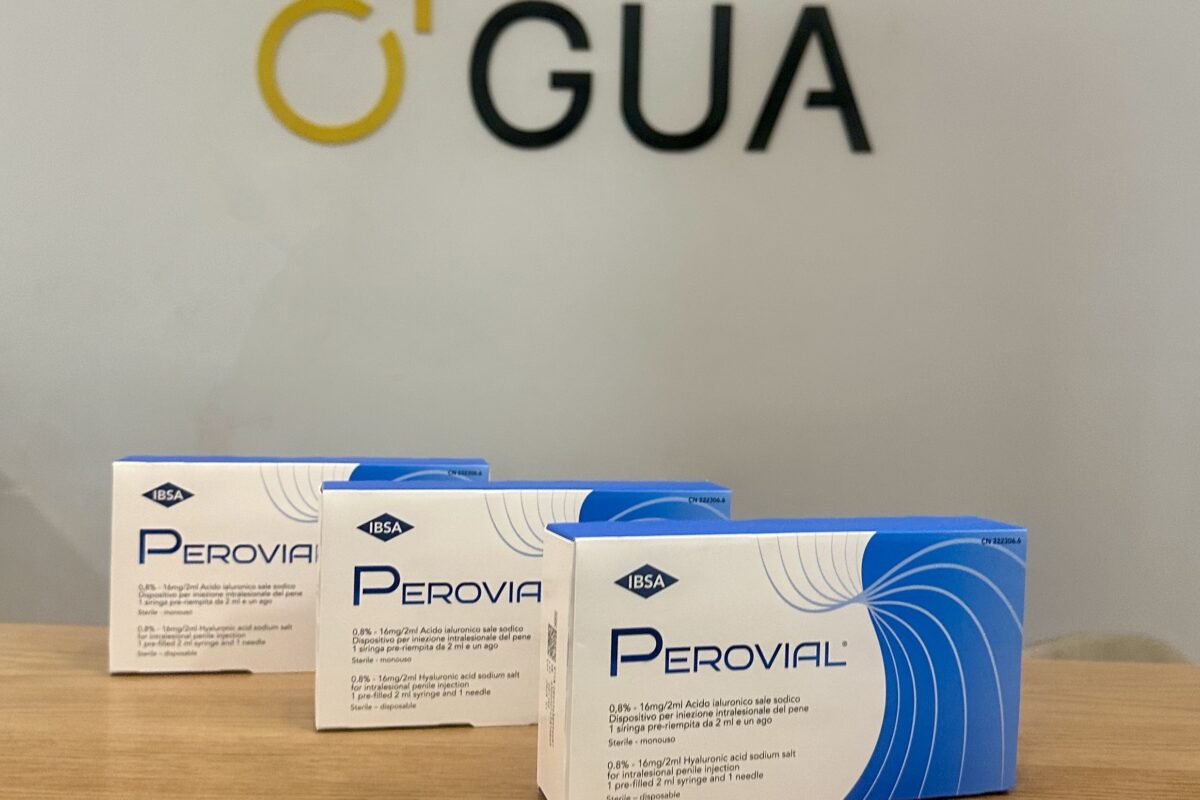
At GUA Urology and Andrology Clinic, we have incorporated Perovial® (IBSA), becoming the first clinic in the Canary Islands to offer this intraplaque approach with hyaluronic acid indicated for the acute (active) phase of Peyronie's disease.

The goal is to open up a pathway for early intervention in a condition that can cause pain, penile curvature, and a significant impact on sexual life and emotional well-being.

What is Peyronie's disease?

Peyronie's disease (or penile induration) is an acquired condition in which a fibrous plaque forms in the tunica albuginea. This plaque reduces the elasticity of the tissue and can result in:

  • Penile curvature during erection
  • Pain, especially at the beginning
  • Deformity or feeling of "tightness"
  • Difficulty with penetration
  • In some cases, erectile dysfunction

The acute phase: the "window" in which we can help the most

In consultation, we see that the timing of seeking treatment matters. The disease usually has an acute (active) phase, in which there is inflammation and symptoms such as pain, and a stable (chronic) phase where the deformity becomes established.

The acute phase is important because:

  • This is when there may be pain during erection and recent changes.
  • It is a stage in which we seek to limit progression and preserve function.

"The acute phase is a key moment: if we intervene early, we can try to slow progression, relieve pain, and preserve function." Dr. María Fernanda Peraza Godoy (GUA)

What is Perovial® and how does it work?

Perovial® is a medical device containing 0.8% highly purified hyaluronic acid. It is indicated for the treatment of Peyronie's disease in its acute phase.

According to its documentation, hyaluronic acid may contribute to:

  • Soften the plaque (due to its ability to retain water)
  • Promote tissue remodeling
  • Provide antioxidant and antifibrotic effects that can help limit progression at this stage

What is treatment with Perovial® like?

The treatment is performed by qualified personnel using intra-plaque injections. It is usually prescribed on a weekly basis for 10–12 weeks, adjusting the volume according to the plaque and medical criteria.

After the injection, it is usually recommended to avoid sexual activity and intense physical activity for 24–48 hours.

Security and who it is for

As with any intralesional treatment, temporary local effects may occur (e.g., pain, redness, swelling, or bruising at the injection site).

Expert assessment is key because Perovial® is not indicated in all cases (e.g., calcified plaques or some complex deformities described in its documentation).

How we support you at GUA (Las Palmas de Gran Canaria)

At GUA Urology and Andrology, we are committed to a conservative and personalized approach whenever possible, with expert diagnosis, follow-up, and selection of the most appropriate therapy for each phase.

The incorporation of Perovial® is another step toward bringing current treatments to the Canary Islands, avoiding travel and expanding options for early intervention when indicated.

Request your assessment at GUA

If you have noticed pain during erection, recent curvature, or changes in the shape of your penis, early assessment can make all the difference.

Frequently asked questions about Perovial® and Peyronie's disease

What is Perovial®?

Perovial® is a medical device composed of 0.8% hyaluronic acid indicated for the treatment of the acute (active) phase of Peyronie's disease. It is administered by intraplaque injection performed by an experienced urologist.

For which stage of Peyronie's disease is it indicated?

It is indicated for the acute or active phase, when the plaque is not yet calcified and there may be pain during erection or recent changes in curvature. It is not indicated in the chronic phase with calcified plaques.

How does hyaluronic acid work in Peyronie's disease?

Hyaluronic acid has the ability to retain water, promoting tissue hydration and elasticity. It also has antioxidant and antifibrotic properties that can help limit plaque progression in the active phase.

What is treatment with Perovial® like?

The usual protocol consists of weekly intraplaque injections for approximately 10–12 weeks. The volume is adapted to the size of the plaque and the physician's criteria. The procedure is performed in the doctor's office, usually under local anesthesia.

Does the injection hurt?

It is performed under local anesthesia, so the procedure is well tolerated. After the injection, mild discomfort, swelling, or a small bruise may appear, but these are usually temporary.

Does it have any side effects?

The most common side effects are local and mild: pain at the injection site, redness, swelling, or bruising. It is essential that the treatment be performed by a qualified specialist.

Is it effective for calcified plaques?

No. Perovial® is not indicated for calcified plaques (stable chronic phase) or certain complex deformities, such as some "hourglass" deformities. That is why a prior specialist assessment is essential.

Can you avoid surgery?

In some patients, early treatment in the acute phase can help limit progression and preserve function. However, each case must be assessed individually to determine whether conservative management is sufficient or whether another approach may be required in the future.

transperineal fusion biopsy

Transperineal Fusion-Guided Prostate Biopsy

By Dr. Nicolás Nervo – Specialist in Urology and Andrology.

Transperineal fusion prostate biopsy is currently one of the most accurate and safest techniques for diagnosing prostate cancer. At GUA Urology and Andrology in Las Palmas de Gran Canaria, we perform this advanced biopsy to obtain a reliable diagnosis, minimize risks, and offer a personalized medical approach.

Table of Contents

  1. Why is it important to talk about transperineal fusion prostate biopsy today?
  2. What is a transperineal fusion prostate biopsy?
  3. How is it done step by step?
  4. Patient preparation and recovery
  5. Advantages of transperineal fusion prostate biopsy compared to conventional biopsy
  6. In which cases is transperineal fusion prostate biopsy indicated?
  7. Risks and common side effects
  8. Transperineal fusion biopsy at GUA Urology and Andrology
  9. Make an appointment today

Why is it important to talk about transperineal fusion prostate biopsy today?

Prostate cancer is the most common tumor in men. It is estimated to affect approximately 1 in 9 men throughout their lives and, in many cases, does not produce symptoms in the early stages. That is why it is so important to have accurate and early diagnostic methods.

Transperineal fusion prostate biopsy has become one of the most advanced techniques available in Europe today for safely and reliably confirming or ruling out prostate cancer. It allows for better localization of suspicious lesions, targeted sampling, and reduced risks associated with traditional biopsies.

If you would like more general information about prostate cancer, you can consult our clinic's specific page on
prostate cancer or visit patient resources such as the Spanish Association Against Cancer and the European Association of Urology.

What is a transperineal fusion prostate biopsy?

Transperineal fusion prostate biopsy is a diagnostic technique that combines two types of imaging:

  • A multiparametric magnetic resonance imaging (MRI) scan of the prostate, performed previously.
  • A real-time transperineal ultrasound.

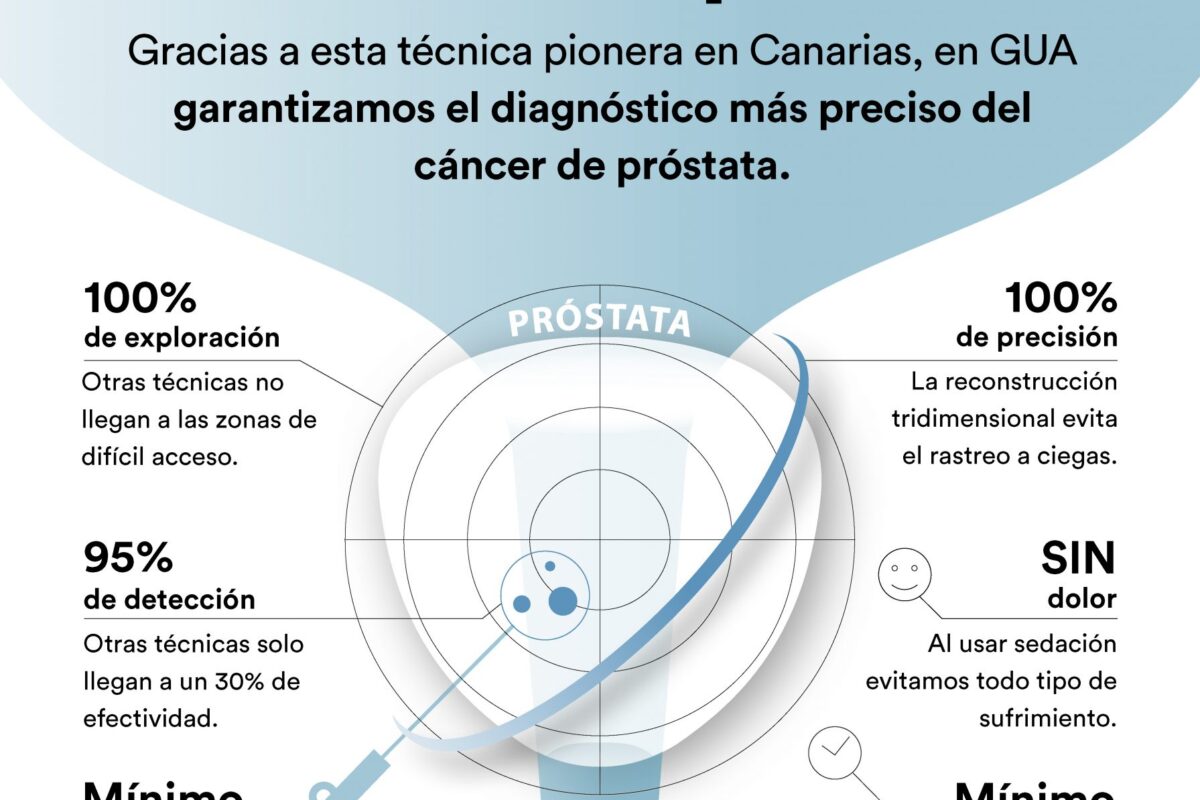
Using an image fusion system, both tests are integrated to create a three-dimensional (3D) reconstruction of the prostate. Using this 3D image, the urologist can identify suspicious areas with great precision and direct the needle exactly to the points where a clinically significant tumor is most likely to be found.

In addition, micro-ultrasound technology is used, which provides superior resolution compared to conventional ultrasound. This facilitates the detection of small or clinically relevant lesions, increasing the overall reliability of the biopsy.

If you would like to see the technical details of this test at our clinic, please visit
transperineal fusion prostate biopsy.

How is it done step by step?

The biopsy is performed transperineally, accessing the prostate through the skin of the perineum (the area between the scrotum and the anus), without passing through the rectum. This avoids contact with the intestinal flora and reduces the risk of infection.

The usual procedure includes:

  • Sedation and positioning of the patient: the patient is sedated, comfortable, and pain-free.
  • Live ultrasound: An ultrasound is performed while the patient is sedated.
  • Merging ultrasound with previous magnetic resonance imaging: the system integrates both images.
  • 3D reconstruction of the organ: a three-dimensional model of the prostate is generated.
  • Obtaining samples: biopsy cylinders are taken with millimeter precision from the suspicious areas.

The total duration of a transperineal fusion prostate biopsy is usually 20 to 40 minutes, depending on the complexity of each case and the number of samples required, in accordance with standard times in advanced clinical practice.

Patient preparation and recovery

Preparation for a transperineal fusion prostate biopsy is usually minimal. In general, the following is recommended:

  • Fasting for a few hours before the procedure, due to sedation.
  • Adjustment of anticoagulant medication when appropriate, always under medical supervision.
  • Occasionally, antibiotic prophylaxis according to individual clinical criteria.

After the test, the patient can resume normal activities within a short period of time, avoiding strenuous activity for a few days. It is normal to experience mild discomfort in the perineal area or small amounts of blood in the urine or semen, which are usually temporary.

Advantages of transperineal fusion prostate biopsy compared to conventional biopsy

Transperineal fusion prostate biopsy offers significant advantages over traditional transrectal biopsy:

  • Greater diagnostic accuracy: detection capability is close to 95%, compared to around 30% for other techniques.
  • Complete prostate examination: allows areas that are difficult to access with other techniques, such as the anterior zone, to be examined.
  • Lower risk of infection: since it does not pass through the rectum, the possibility of prostatitis, urinary tract infections, or sepsis is reduced.
  • Painless procedure: performed under sedation, providing a comfortable experience.
  • Greater safety and rapid recovery: fewer complications and a quick return to daily life.
  • 3D image fusion: the urologist directs the samples to the areas that are truly suspicious, avoiding "blind" biopsies.
  • Fewer punctures: by focusing on areas of interest, fewer cylinders may be required to reach a diagnosis.

In summary, this technique significantly increases the probability of detecting significant tumors while reducing risks and discomfort for the patient.

In which cases is transperineal fusion prostate biopsy indicated?

Transperineal fusion prostate biopsy is a diagnostic tool, not a general screening test for healthy populations. It is particularly indicated when prostate cancer is suspected, for example in:

  • Elevated or rising PSA (prostate-specific antigen).
  • Abnormal findings on digital rectal examination, such as irregular prostate, presence of nodules, or hardening.
  • Suspicious lesions on multiparametric prostate magnetic resonance imaging.
  • Need to expand or confirm previous studies when other tests have been inconclusive.

It is not used as a preventive technique in men without symptoms or risk factors, but it does play a key role in patients who have already shown warning signs or abnormalities in initial tests.

Risks and common side effects

Like any medical procedure, transperineal fusion prostate biopsy is not entirely risk-free. However, the transperineal approach has been shown to have a lower complication rate than transrectal biopsy.

By not passing through the rectum, the likelihood of the following is significantly reduced:

  • Prostatitis.
  • Urinary tract infections.
  • Sepsis (severe generalized infection).

The most common side effects following transperineal fusion prostate biopsy include:

  • Discomfort or mild pain in the perineal area.
  • Presence of blood in urine or semen for a few days.

These symptoms are usually mild and self-limiting. After the procedure, the patient receives clear instructions on when to contact the medical team if they have any concerns.

Transperineal fusion biopsy at GUA Urology and Andrology

Transperineal fusion prostate biopsy requires advanced equipment and a specialized medical team. Not all centers have image fusion systems, micro-ultrasound technology, and specific experience in this type of procedure.

At GUA Urology and Andrology, in Las Palmas de Gran Canaria, we combine:

  • Image fusion systems (magnetic resonance imaging + ultrasound).
  • High-resolution micro-ultrasound.
  • A team of urologists with extensive experience in precision oncological urology.

Our goal is to offer you:

  • The most accurate diagnosis possible when prostate cancer is suspected.
  • A safe, painless procedure with quick recovery.
  • Prompt communication of results, which are usually available within 48 hours.

We integrate the biopsy information with the rest of your tests and, if necessary, we evaluate advanced treatment options. You can learn more about our team at
GUA team and continue to stay informed at
urological health blog.

Make an appointment today

If you have been informed of an elevated PSA, have been recommended a transperineal fusion prostate biopsy, or are seeking a second opinion, at GUA Urology and Andrology we can help you.

Take the next step toward an accurate and reliable diagnosis:

"An accurate diagnosis is the first step toward successful treatment. At GUA Urology and Andrology, we accompany you every step of the way."


Frequently asked questions about transperineal fusion prostate biopsy

1. Is transperineal fusion prostate biopsy used only to diagnose cancer?

Its main use is to confirm or rule out prostate cancer, as it is currently the most accurate technique available. Although it can be used to study other lesions detected in imaging tests, its most common indication is related to suspected prostate cancer.

What exactly does this technique involve?

It combines images from a previous multiparametric MRI scan with real-time transperineal ultrasound. These are merged using advanced software to create a 3D model of the prostate, allowing the needle to be guided with high precision to the suspicious areas.

How is the biopsy performed? Is it painful?

It is performed transperineally, with the patient under sedation, so it is painless.
The procedure includes:

  • Sedation and positioning of the patient

  • Live ultrasound

  • Ultrasound + MRI fusion

  • 3D reconstruction

  • Guided sampling

The process takes between 20 and 40 minutes, depending on each case.

Does it require special preparation?

Preparation is minimal. The following is usually recommended:

  • Fasting prior to sedation

  • Adjustment of anticoagulant medication if necessary

  • Occasionally, antibiotic prophylaxis

Most patients resume normal activities within 24 hours.

What are the advantages over a traditional prostate biopsy?

It offers significantly greater benefits:

  • Greater accuracy (up to 95% detection rate)

  • Possibility of biopsying difficult areas, such as the anterior area

  • Lower risk of infection

  • Painless procedure with sedation

  • Faster recovery

  • Fewer cylinders needed thanks to 3D precision

Does it detect more cancer than traditional biopsy?

Yes. Conventional biopsy detects approximately 30% of suspected cancers, while transperineal fusion biopsy detects around 95%, tripling the diagnostic capacity.

1 2 3 … 9
Hello! How can we help you?

REQUEST APPOINTMENT